What the product does
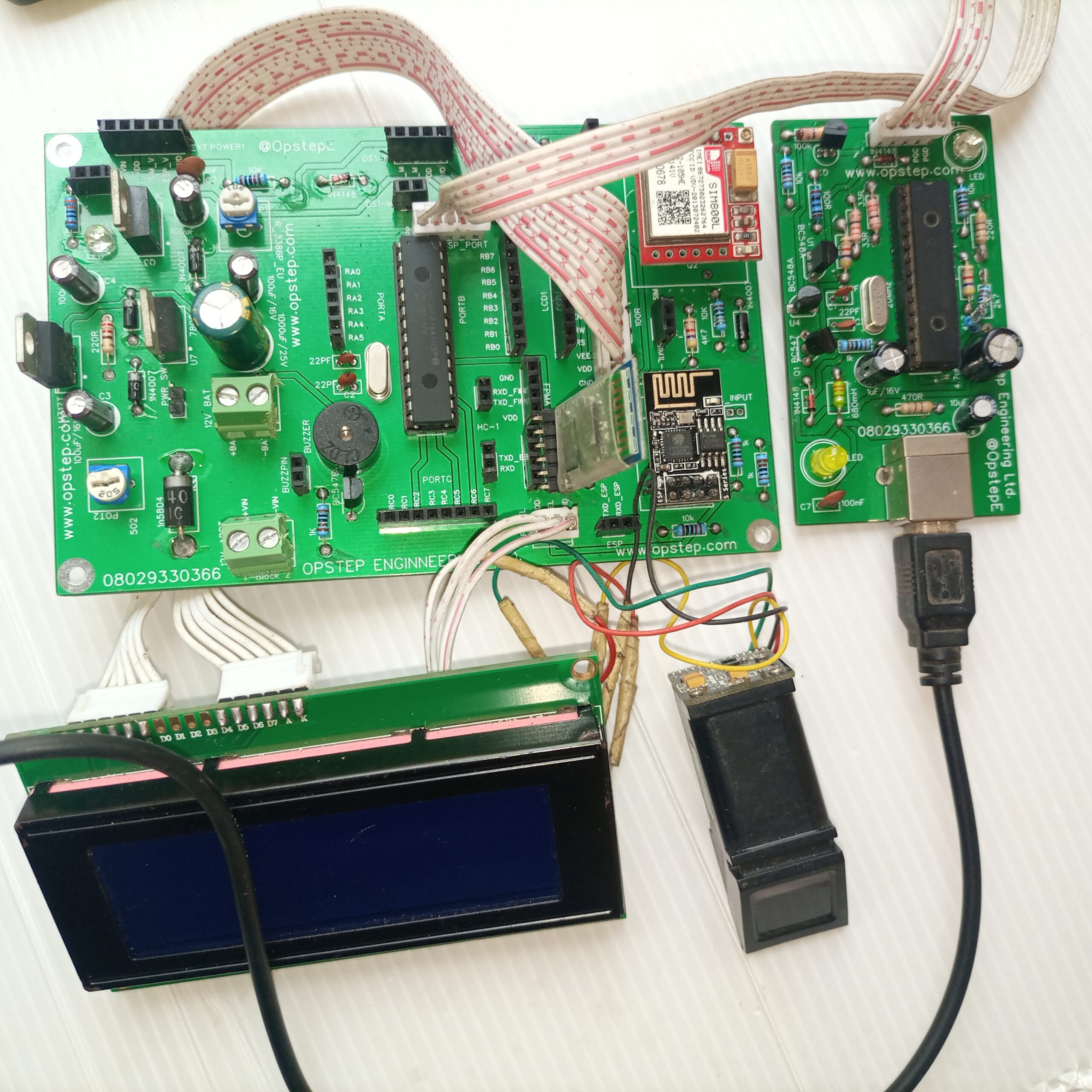
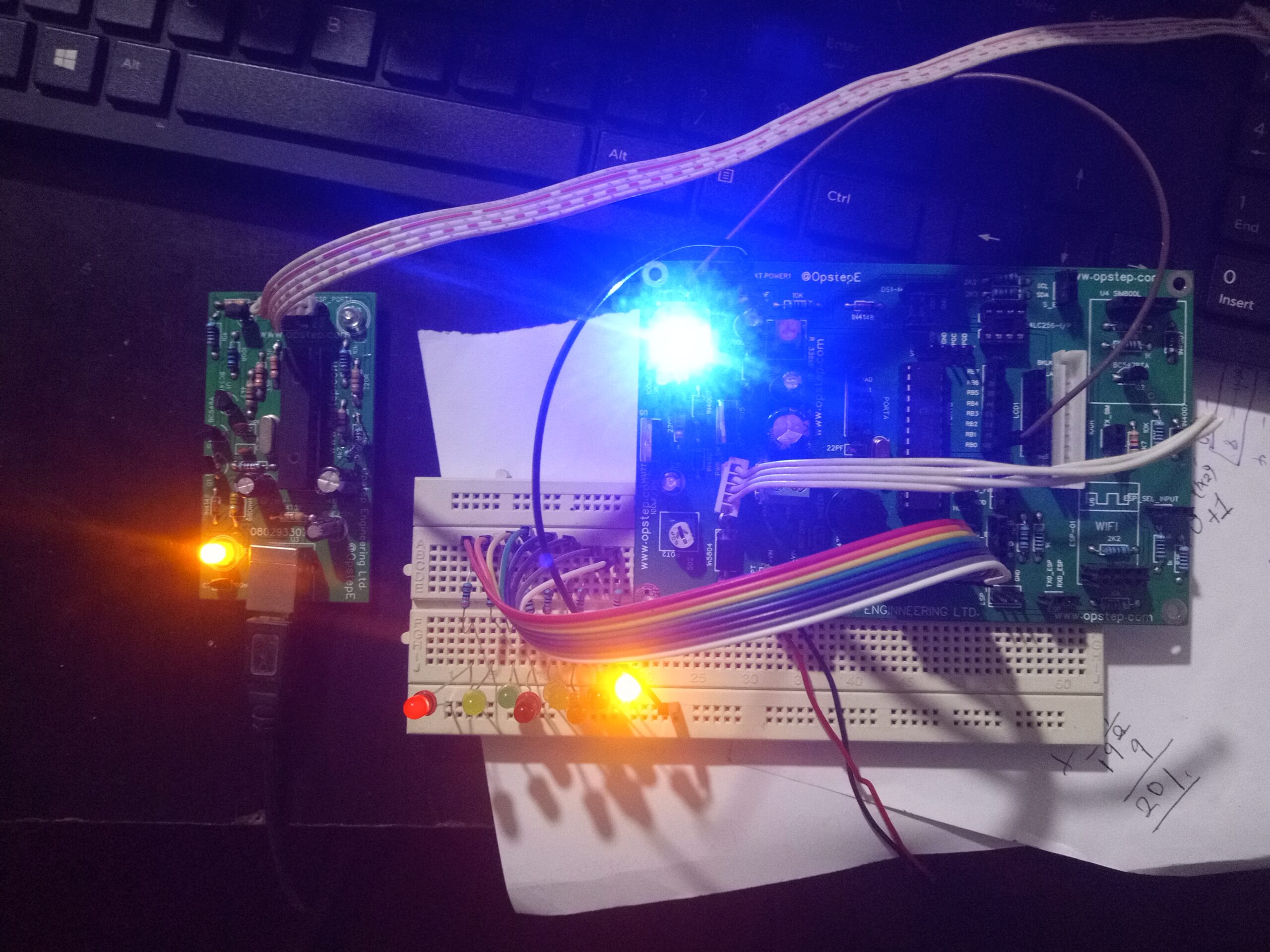
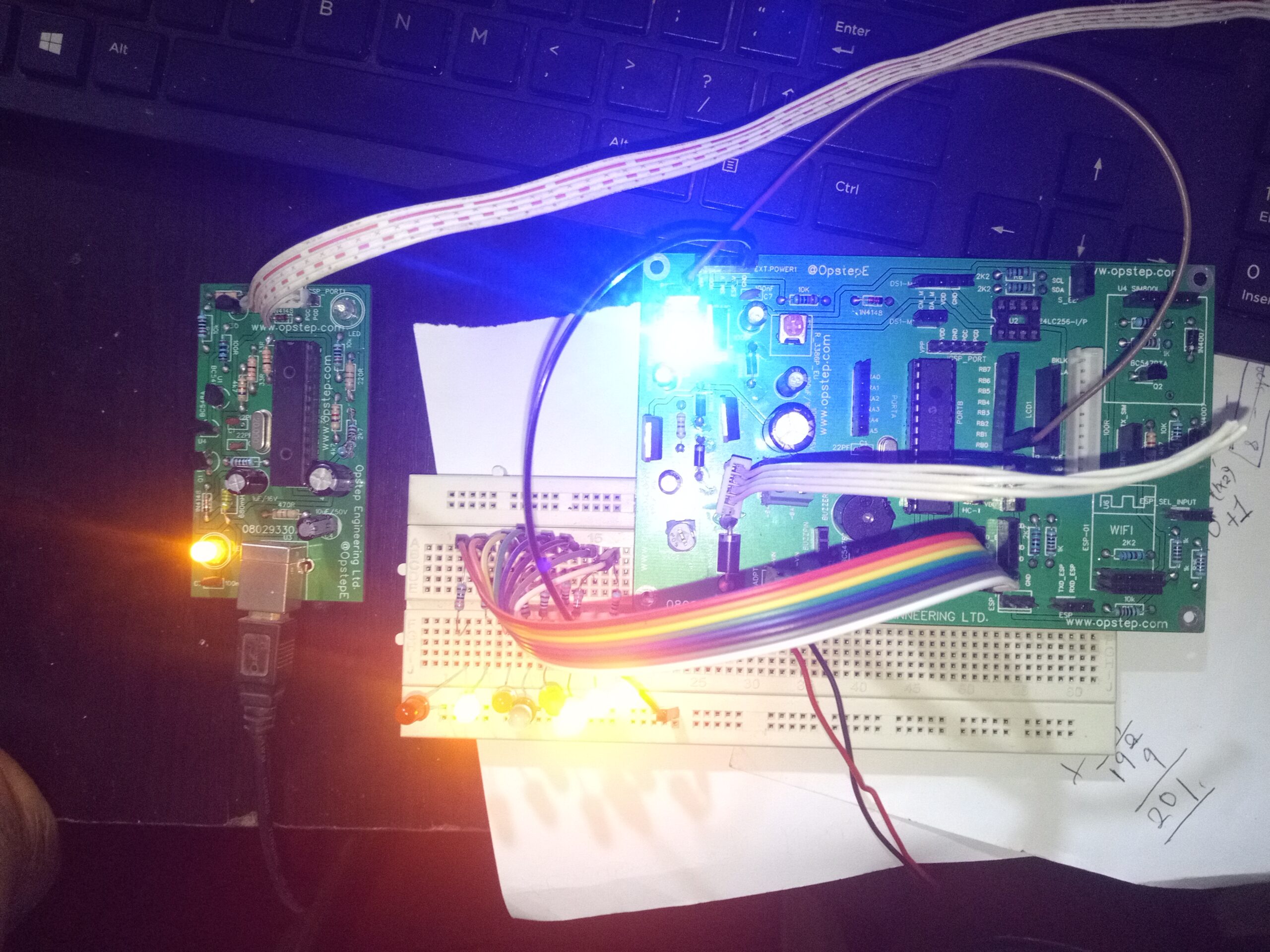
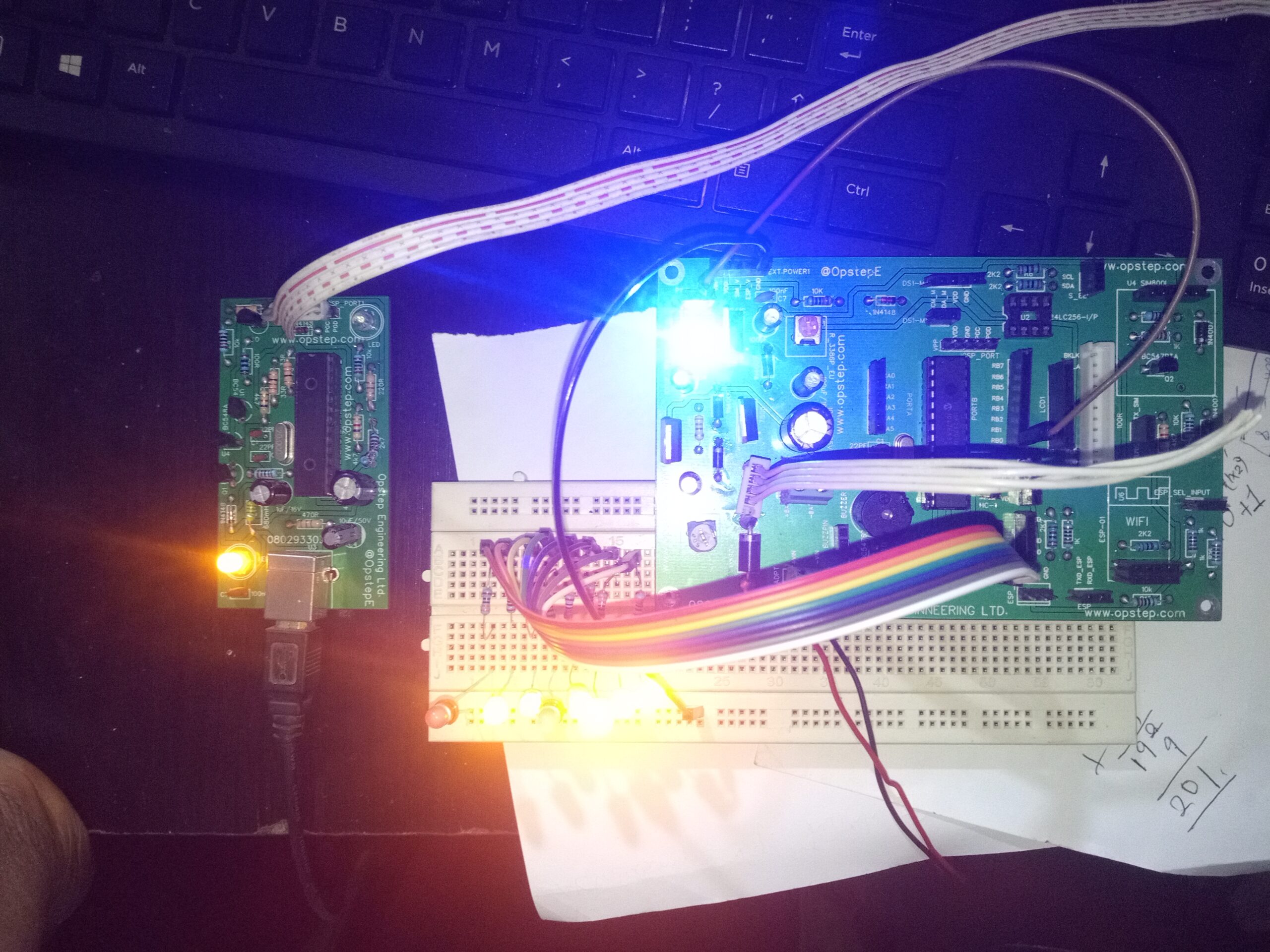
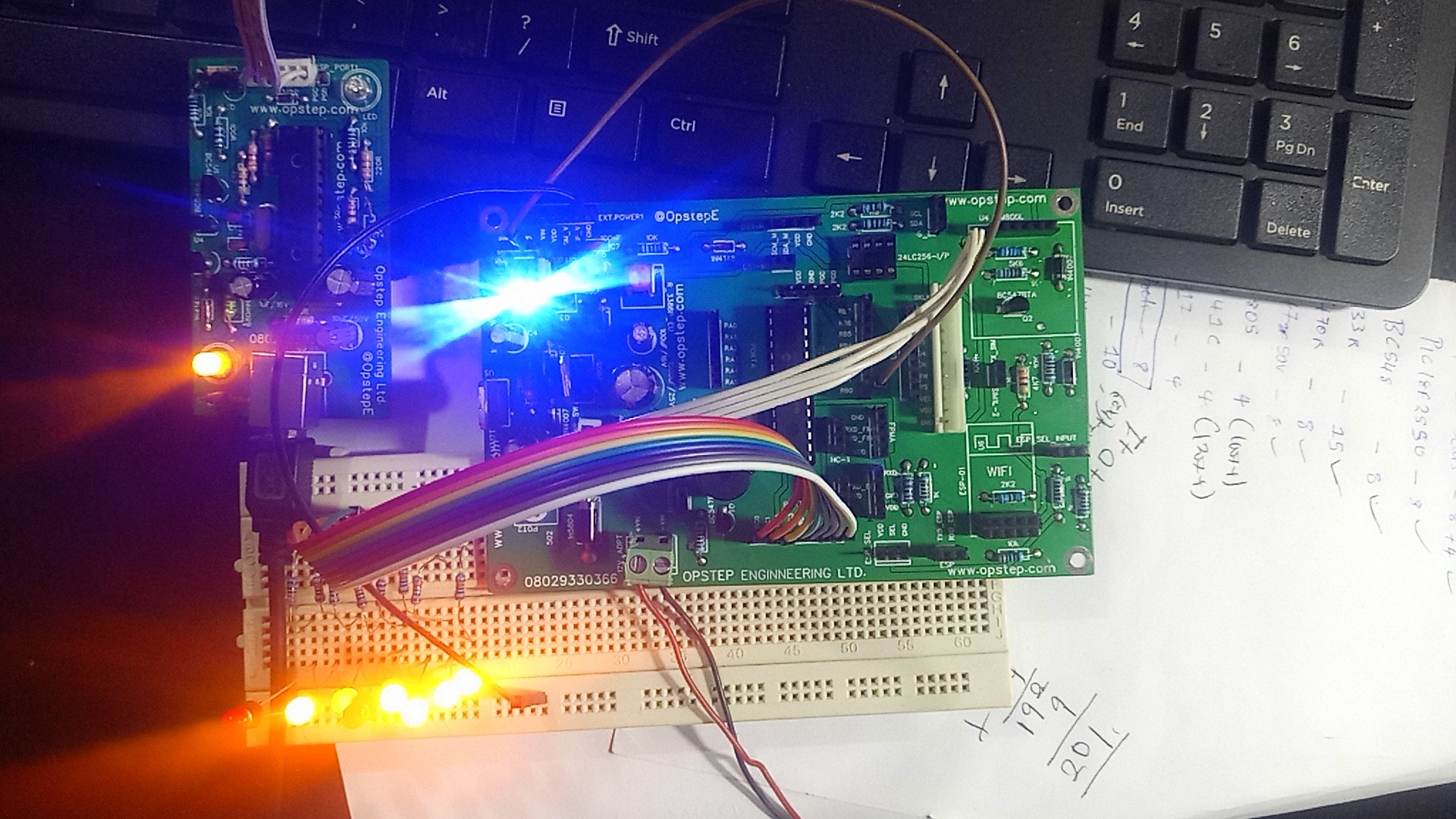
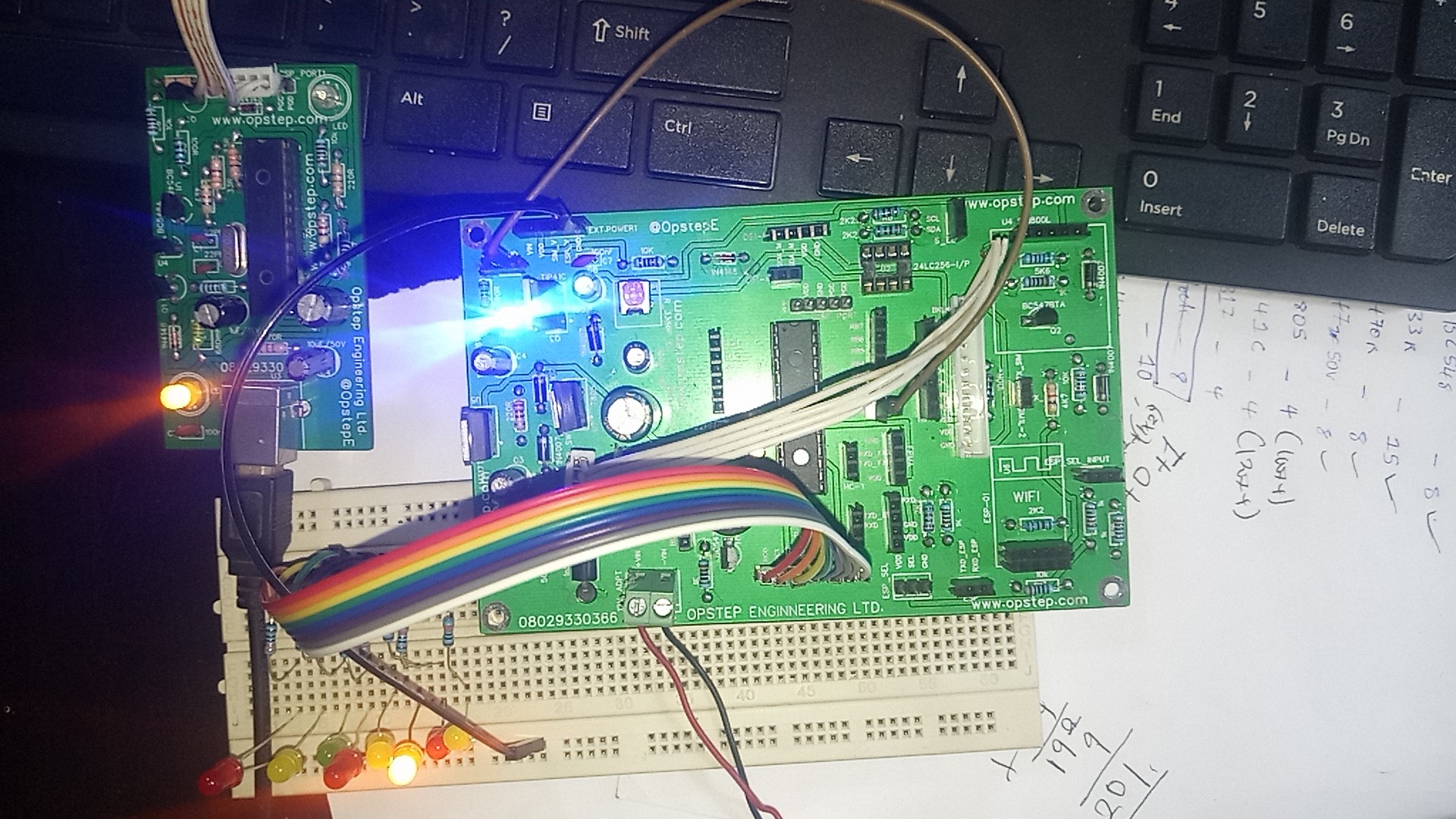
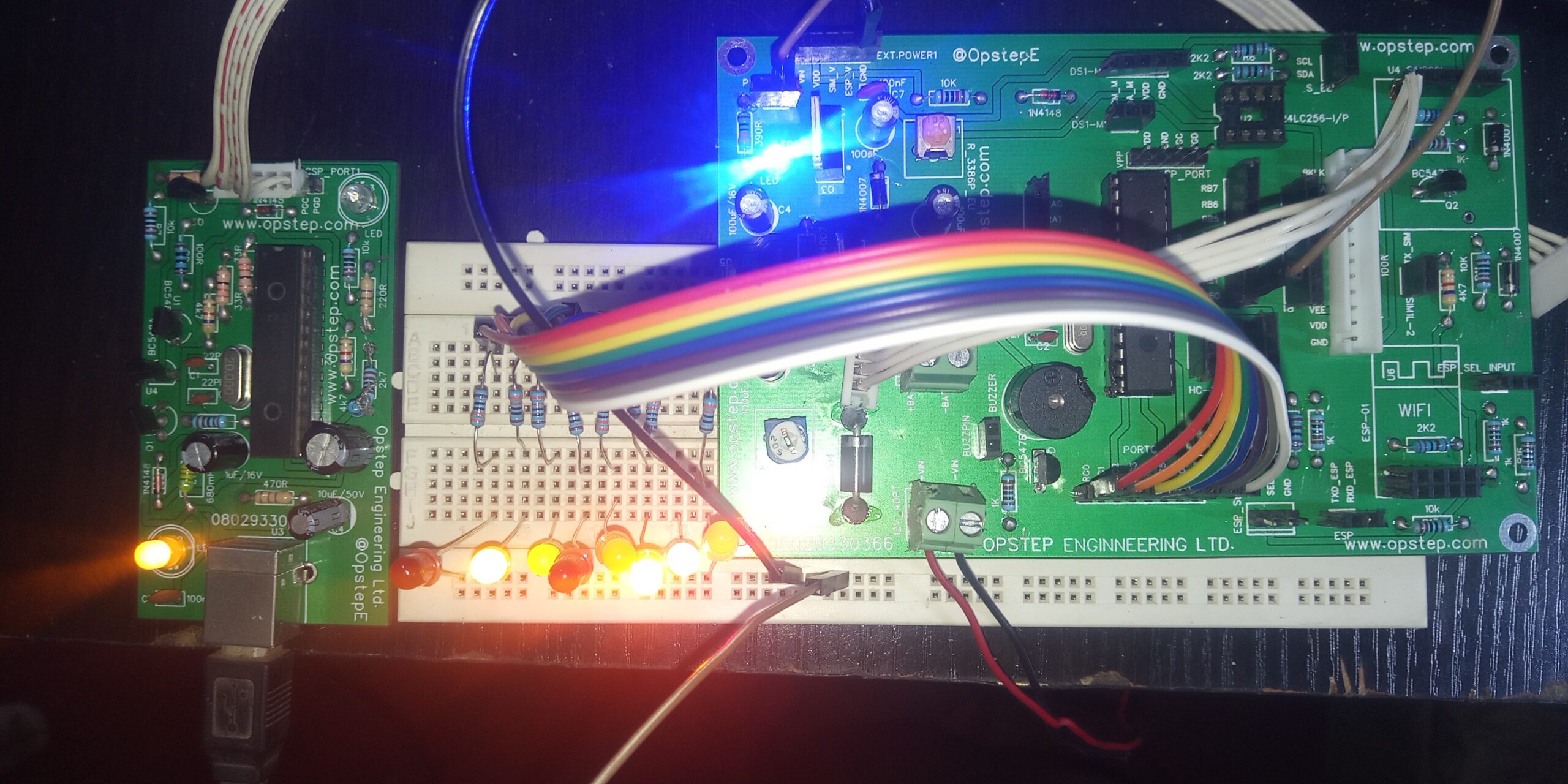
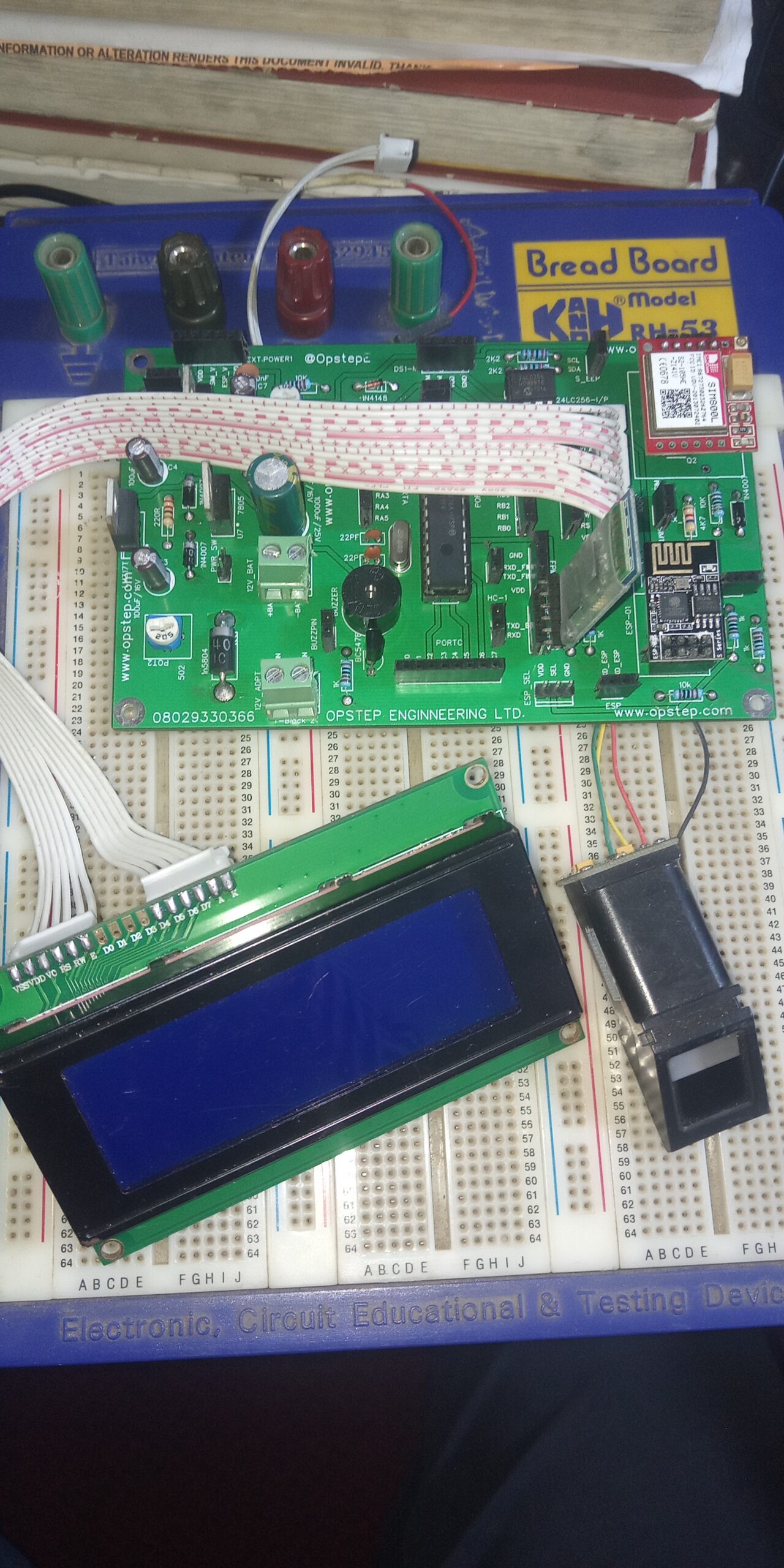
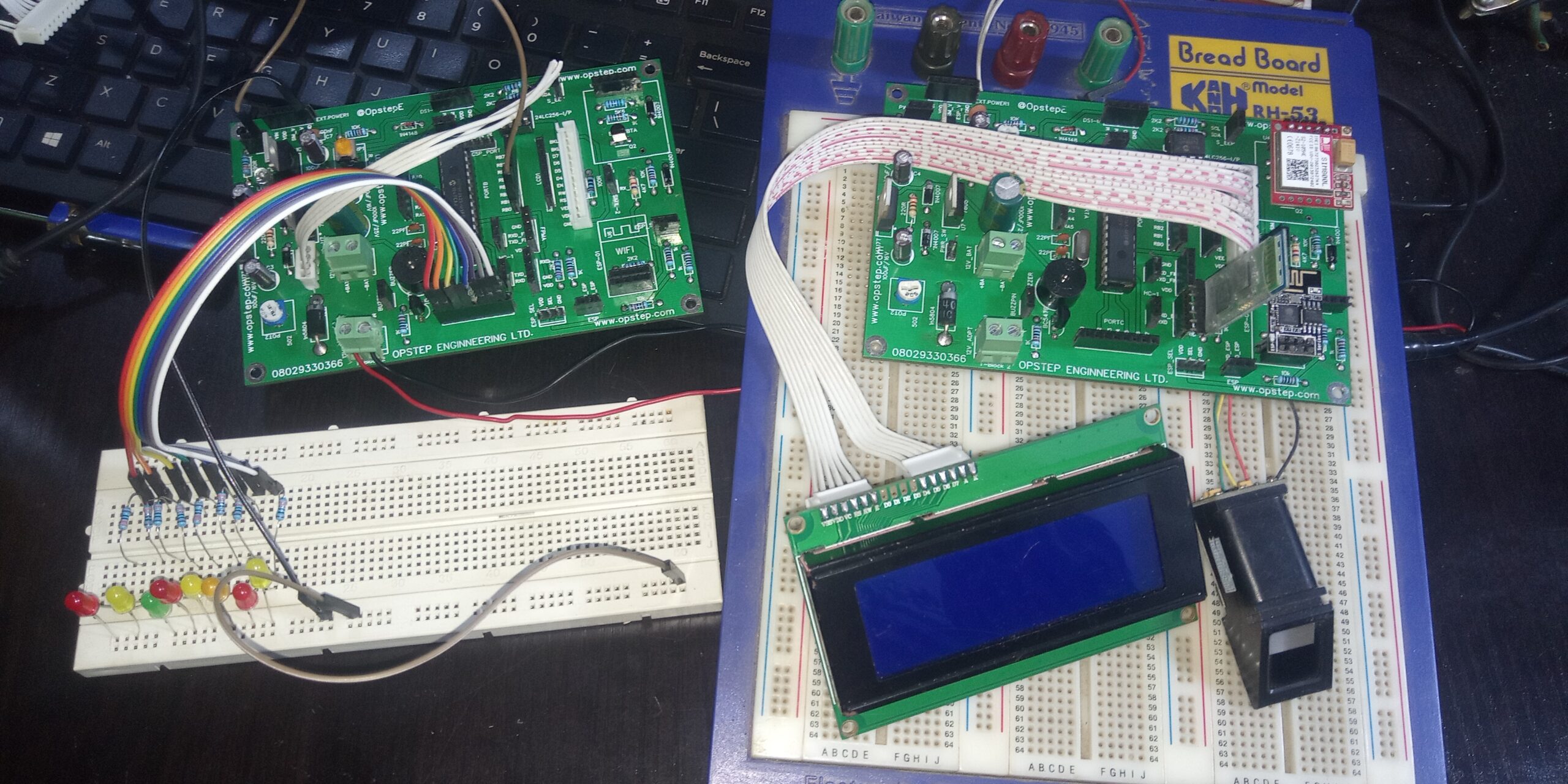
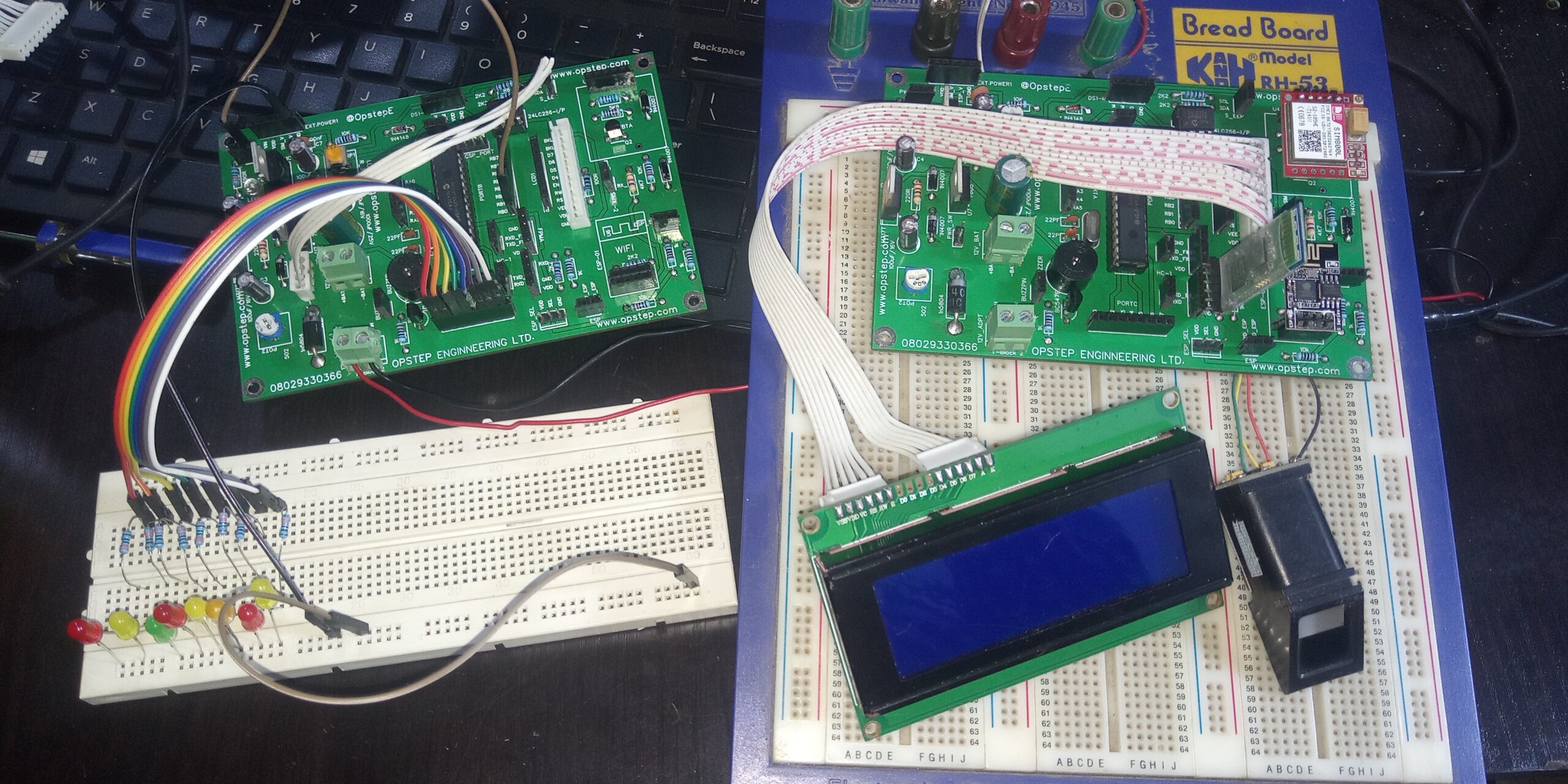
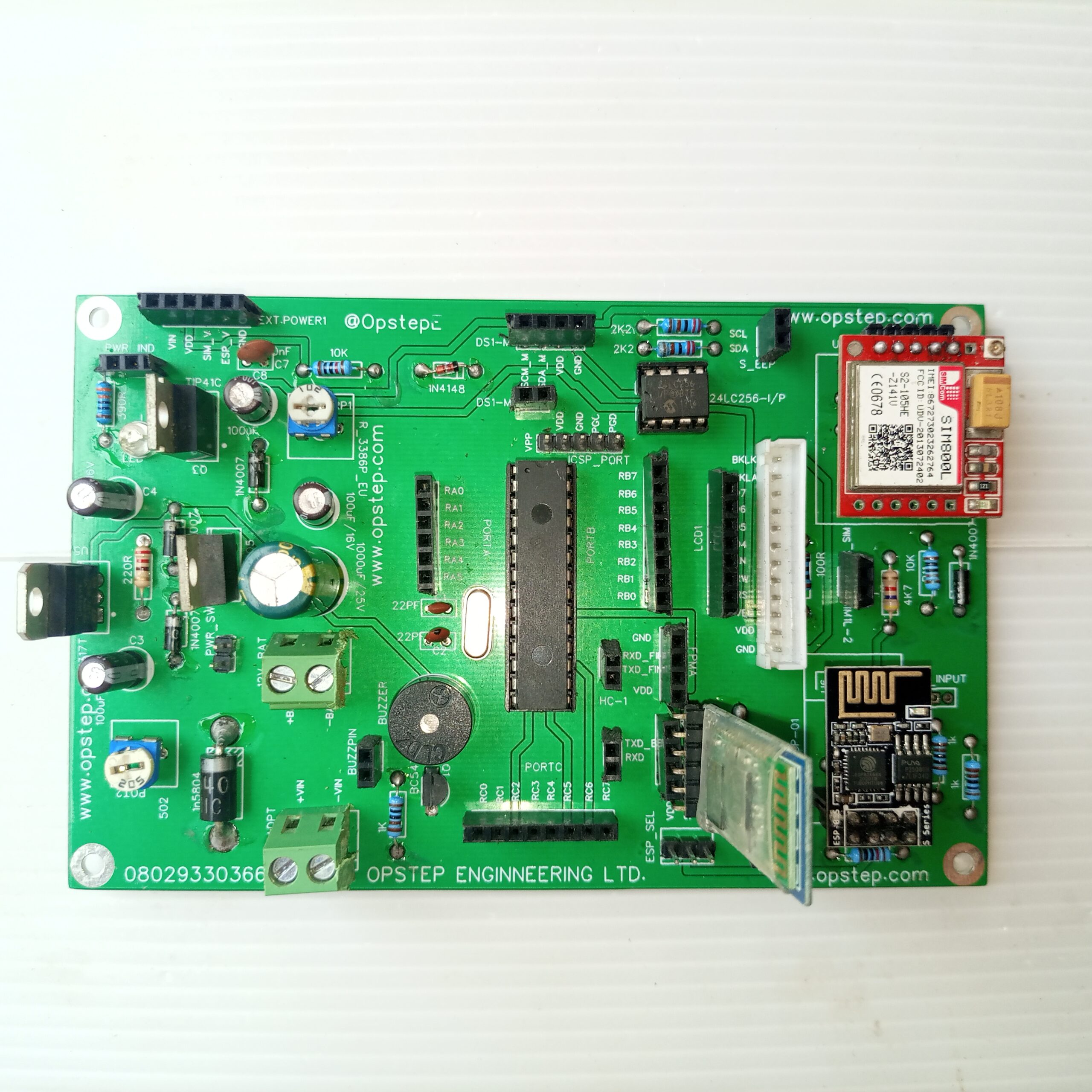
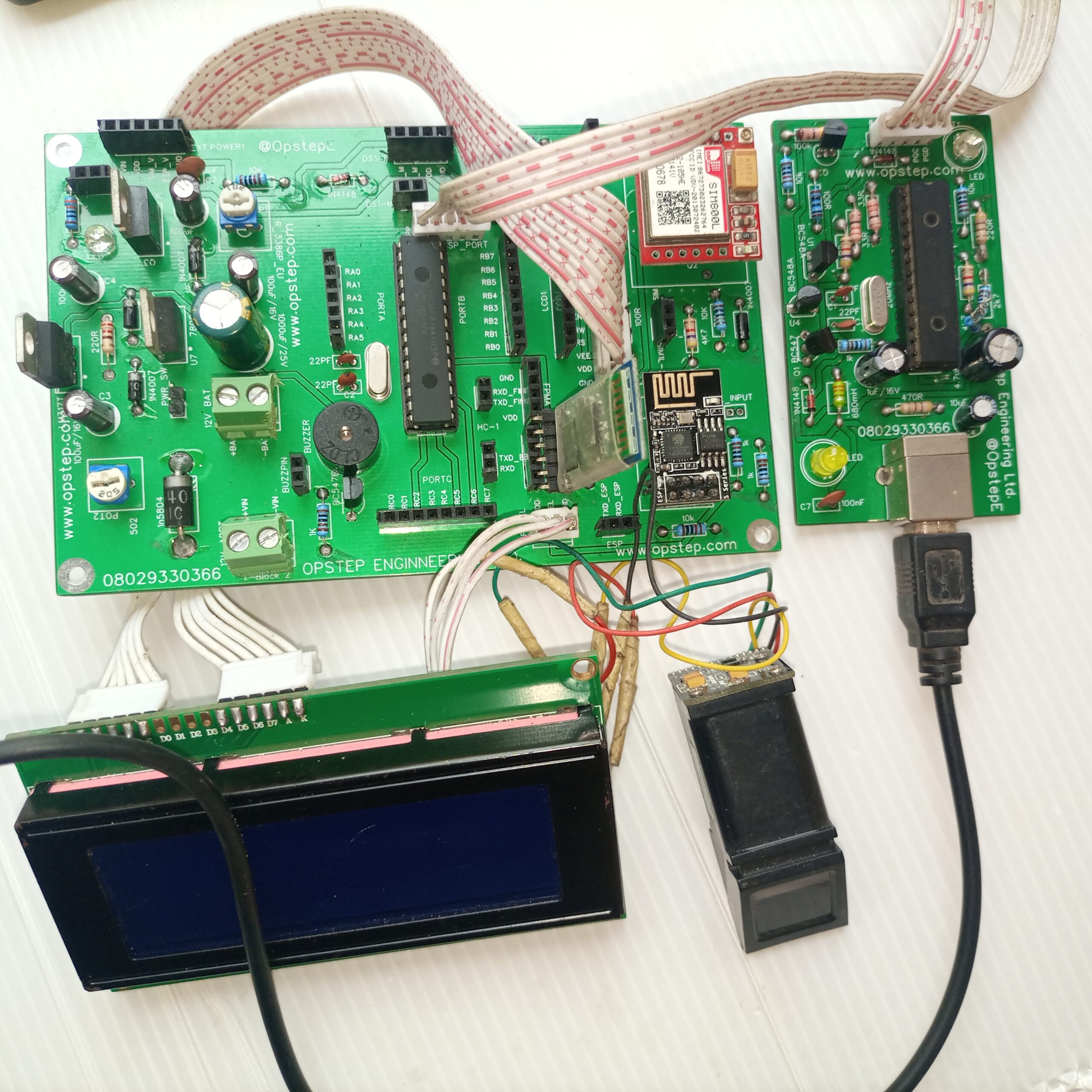
The Opstep Experimental / Development Board brings commonly required embedded-system interfaces and development resources together on a single practical hardware platform. It provides a convenient environment for developing, testing and demonstrating microcontroller-based systems without having to build every supporting circuit from scratch for each project.
How it works
The development board provides a central platform to which a compatible microcontroller and external development hardware can be connected and tested. Its onboard interfaces and expansion connections allow developers to experiment with displays, memory, timing, communication, sensors, indicators and other electronic functions as required by the application.
A typical development process involves connecting the required microcontroller and peripherals, programming the firmware, testing individual functions and then combining those functions into a complete embedded application.
Key Features
Use these as separate items:
01 — Microcontroller Development
Provides a practical hardware platform for developing and testing microcontroller-based applications.
02 — LCD Interface
Provides an interface for connecting and experimenting with alphanumeric LCD displays.
03 — Memory & Timing Interfaces
Supports development work involving external memory and real-time clock functions.
04 — Communication Interfaces
Provides connections for experimenting with serial and other communication functions used in embedded systems.
05 — Expansion & Prototyping Connections
Provides accessible connections for extending the platform with additional circuits, sensors and peripherals.
06 — Indicators & User Interface
Includes practical interface resources for developing systems with indicators, buttons and user feedback.
07 — External Module Integration
Allows additional electronic modules to be connected during development and experimentation.
08 — Practical Development Platform
Brings commonly required embedded-system resources together on one development-oriented board.
Applications
Where this capability can be used.
01 — PIC Microcontroller Development
02 — Embedded-System Prototyping
03 — Firmware Development & Testing
04 — Sensor & Interface Experiments
05 — Communication System Development
06 — Electronic Engineering Training
07 — Embedded Appliance Development
08 — Proof-of-Concept Hardware
User & Business Benefits
A reusable platform for practical embedded development.
Reduced development effort — Common development resources are already available on the board, reducing the need to construct supporting circuits for every experiment.
Faster prototyping — Developers can connect the required hardware and begin testing an application more quickly.
Practical experimentation — The platform makes it easier to test individual peripherals and combine them into complete embedded systems.
Reusable development hardware — The same board can support multiple embedded-system development projects.
Suitable for learning and engineering — The platform can be used for both practical embedded-systems training and real engineering development.
Expandable — External modules and additional circuits can be incorporated as project requirements change.
Public Specifications
Product Type: Embedded Systems Development Board
Primary Use: Microcontroller development, prototyping and experimentation
Development Platform: PIC-based embedded-system development
Display Interface: LCD interface
Memory Interface: External memory development interface
Timing Interface: Real-time clock development interface
Communication: Serial and external communication interfaces
Expansion: External module and peripheral connections
Development Use: Prototyping, testing, experimentation and training
Opstep Engineering Role
Designed as a practical Opstep development platform.
The Opstep Experimental / Development Board was developed by Opstep Engineering Ltd. as a reusable hardware platform for practical embedded-systems development, experimentation and testing. It brings commonly required development resources and interfaces together to provide a convenient foundation for building and evaluating microcontroller-based applications.
Product Gallery