What the product does
The Automatic LDR-Controlled Security Light System is designed to operate outdoor security lights without requiring someone to switch them on or off manually every day.
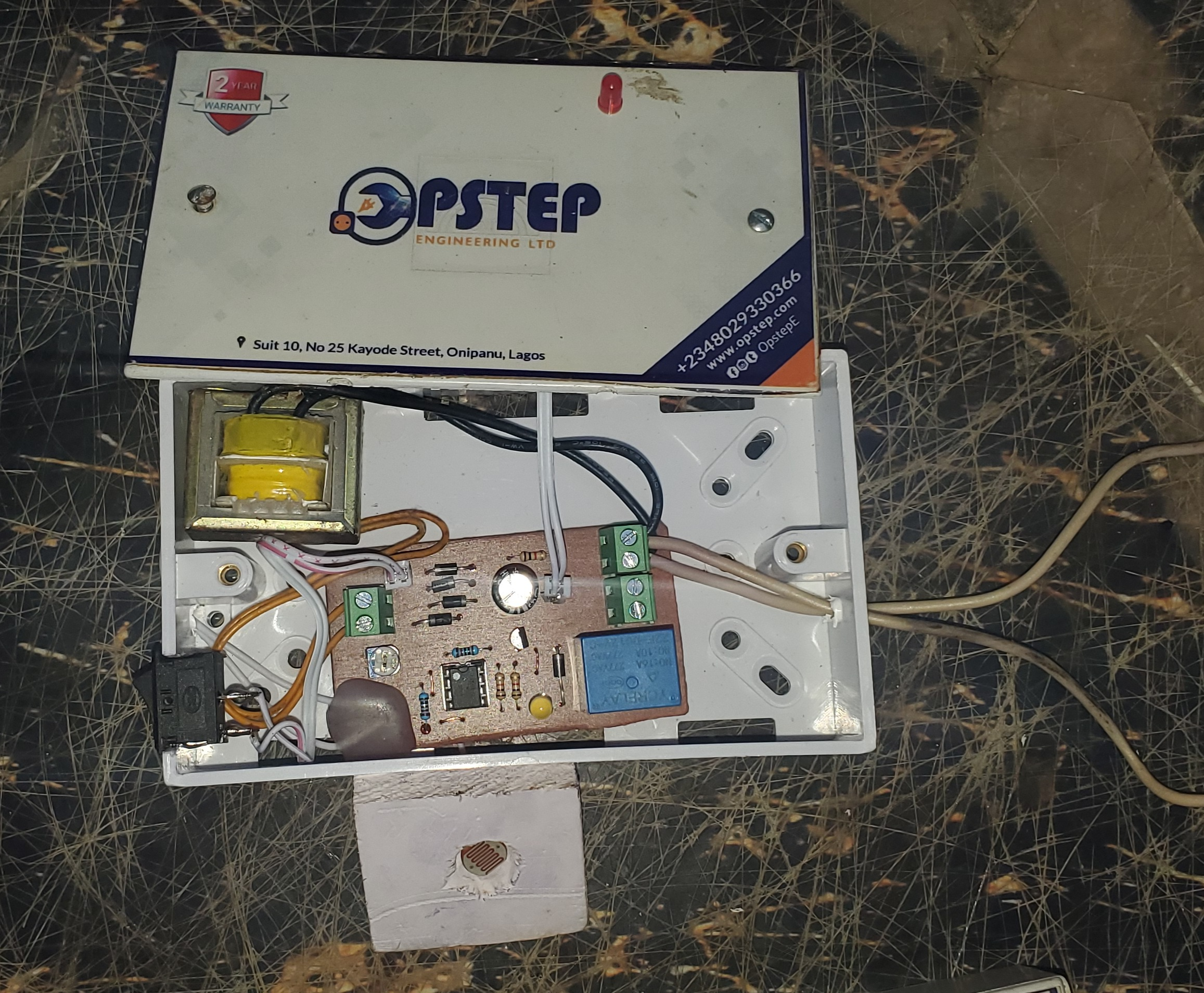
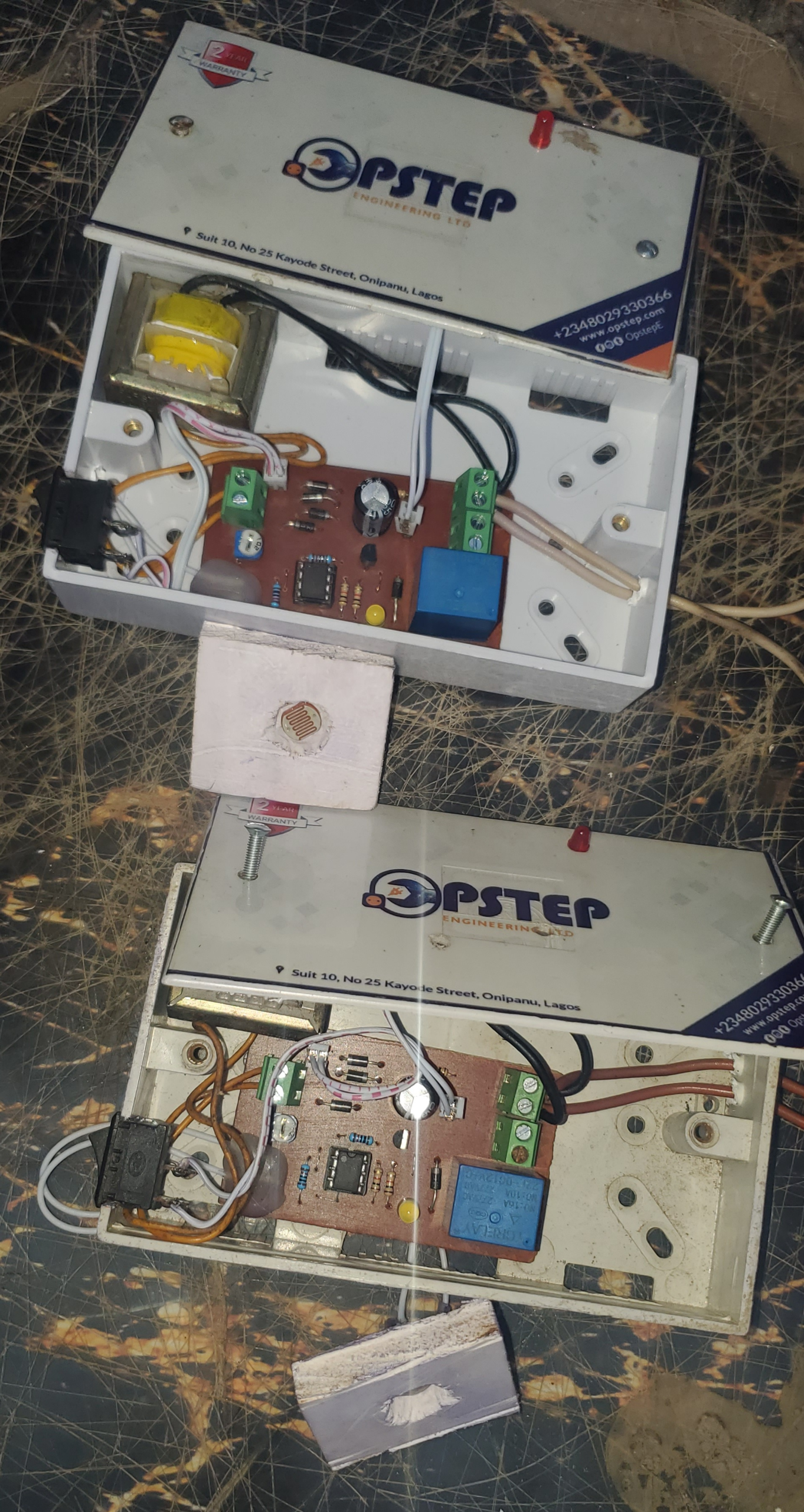
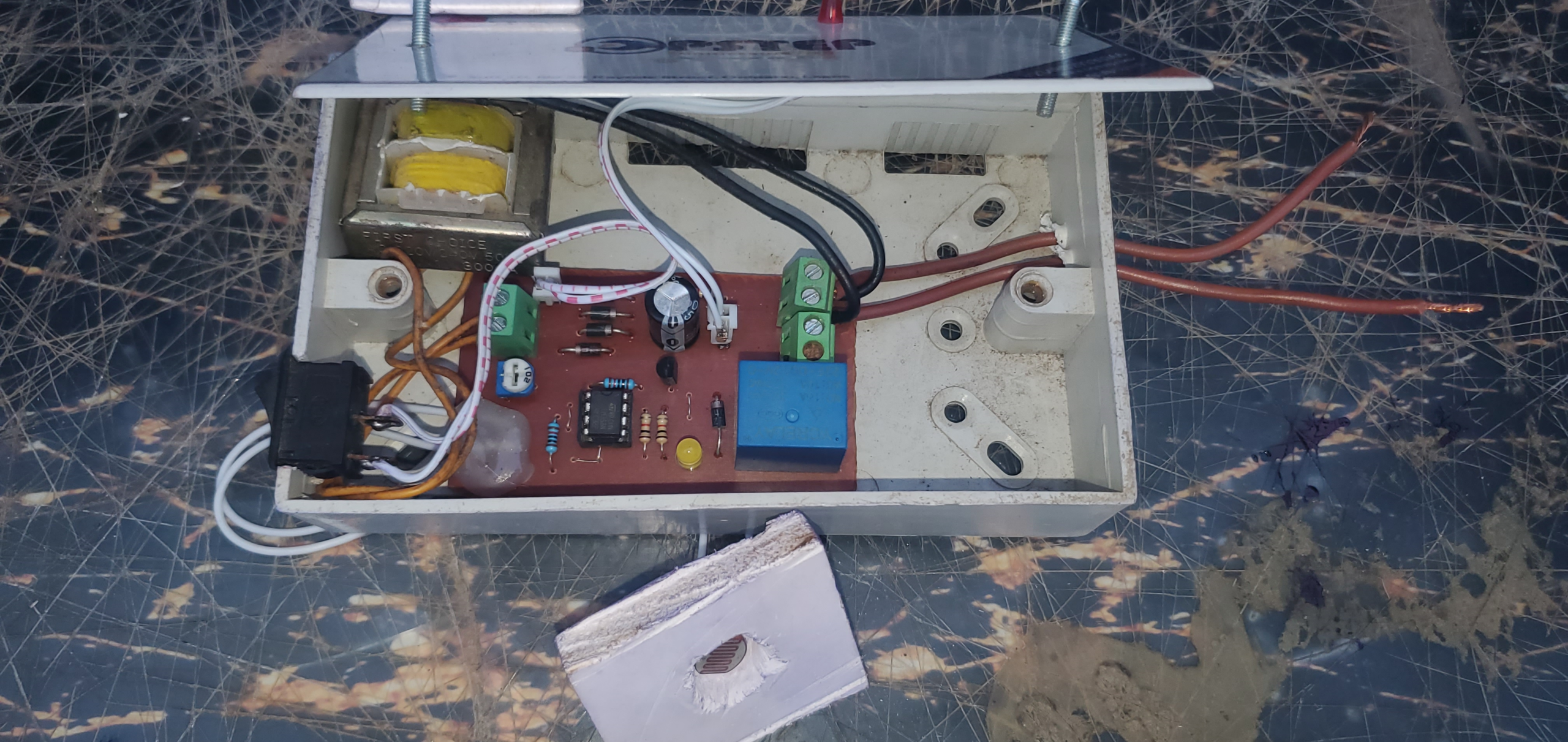
The circuit uses an LDR to sense the surrounding light level. An LM358N-based comparison stage evaluates the sensor signal against an adjustable reference set using a preset potentiometer. When the ambient light falls below the selected threshold, the circuit activates a transistor driver, which energizes the relay and switches on the connected lights.
When daylight returns and the sensed light rises above the selected threshold, the circuit switches the relay off, disconnecting the lighting load.
The intended operating pattern is to switch the lights on around dusk, typically near 7 pm, and switch them off around dawn, typically near 7 am. Actual switching times depend on the local light conditions and the sensitivity adjustment.
The relay provides a switching interface for compatible 220 V AC bulbs. The number and type of bulbs that can be connected depend on their combined electrical load, starting current and the installation's ratings.
How it works
The LDR senses the ambient light level surrounding the security-light installation.
The LDR and associated resistors generate a voltage that varies with the available light.
The LM358N circuit compares the sensor signal with an adjustable reference voltage.
The preset potentiometer allows the switching sensitivity to be adjusted.
When ambient light falls below the selected threshold, the circuit changes its output state.
The transistor driver energizes the relay coil.
The relay contacts switch on the connected 220 V AC security lights.
When daylight returns and ambient light rises above the selected threshold, the circuit changes state again.
The transistor driver de-energizes the relay coil.
The relay contacts switch off the connected security lights.
The circuit repeats this light-dependent switching cycle automatically.
Key Features
Automatic day-and-night lighting control
LDR ambient-light sensing
LM358N-based light-level comparison
Adjustable switching sensitivity
Transistor-driven relay output
10 A relay switching interface
220 V AC security-light control
Automatic dusk activation
Automatic daylight deactivation
Reduced need for manual switching
Indicator LEDs
Discrete electronic circuit design
Proteus circuit design
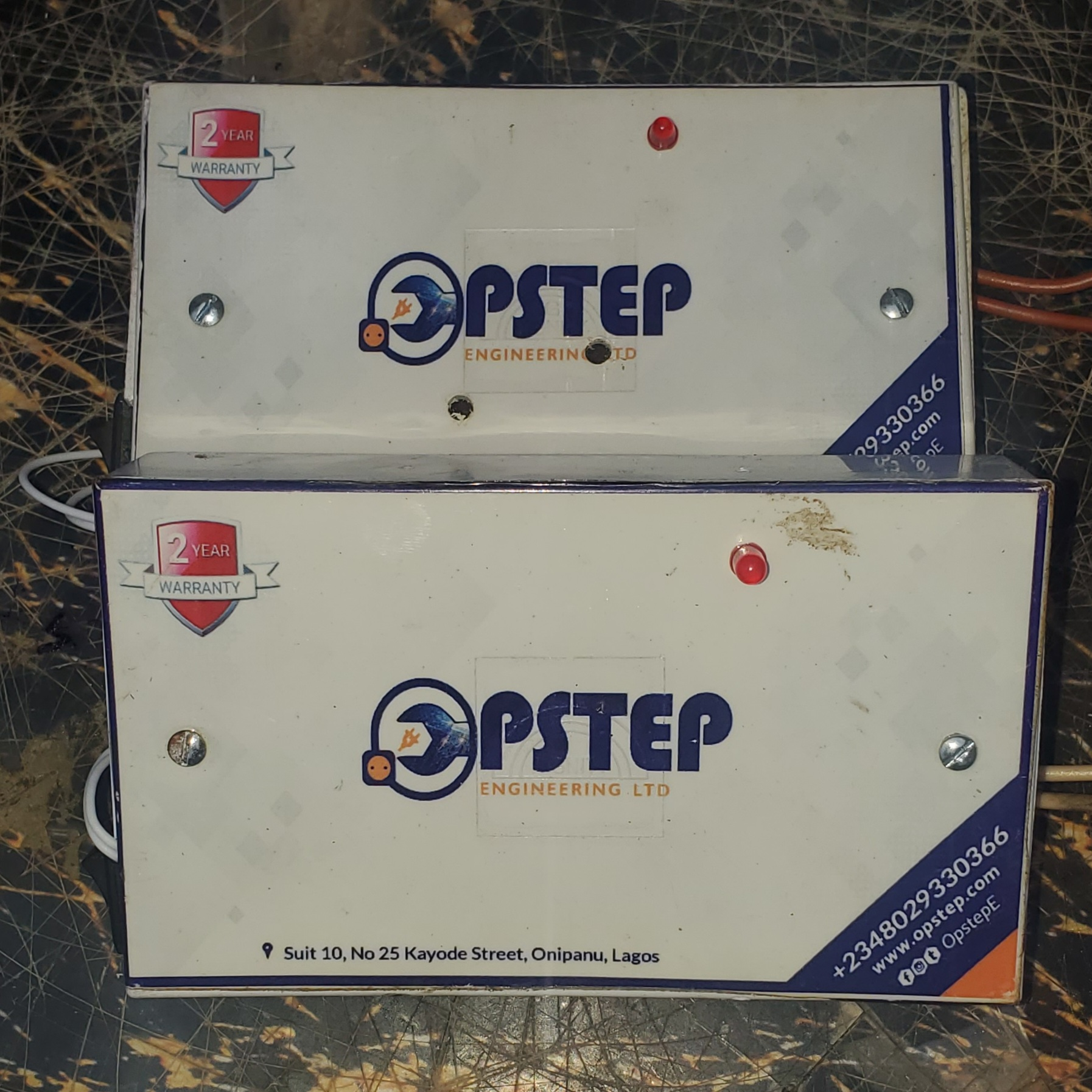
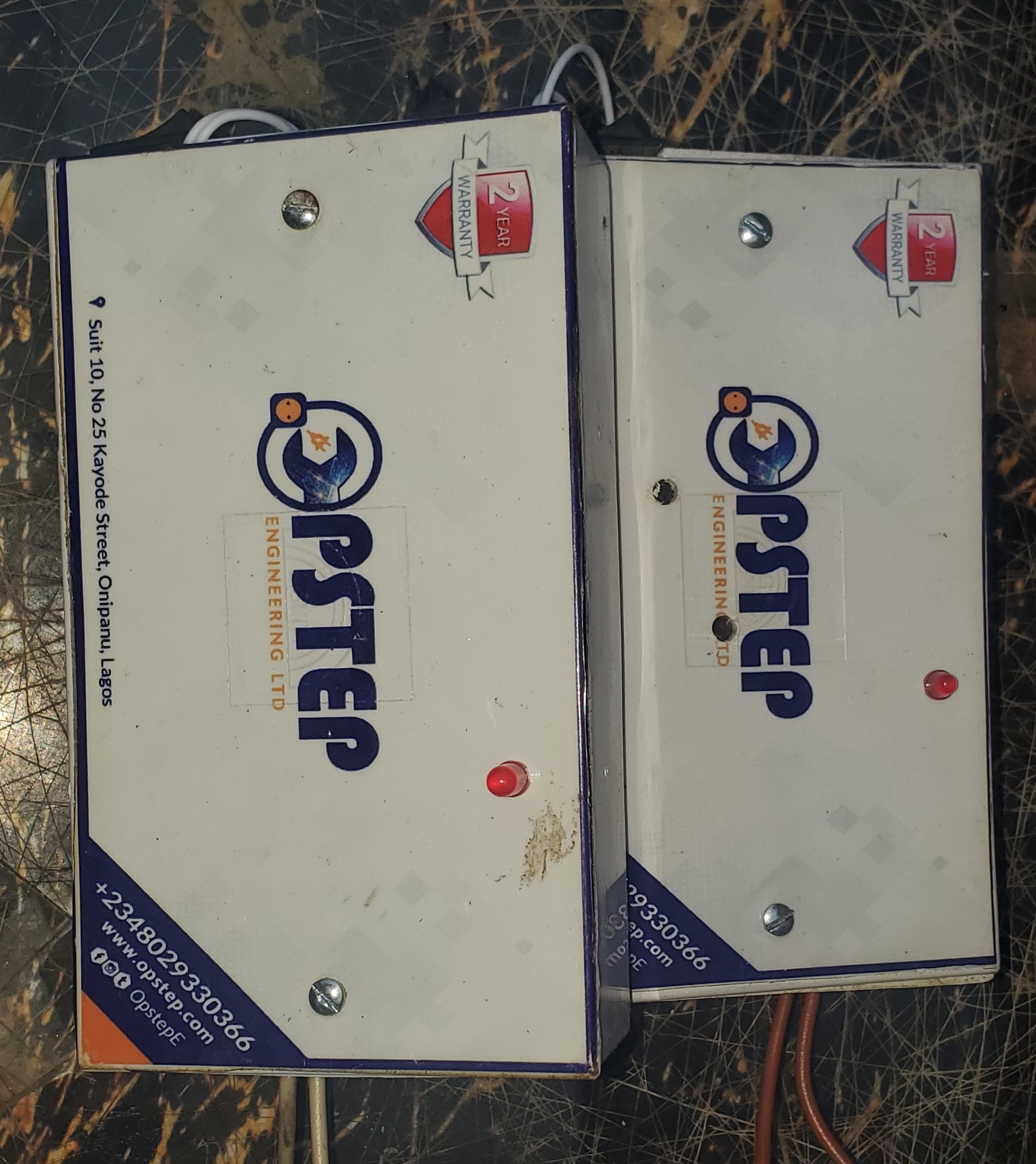
Physical project photographs
Applications
- Residential perimeter security lighting
- Outdoor lights around homes and buildings
- Shops and commercial premises
- Compounds and walkways
- Workshops and storage facilities
- Entrance and gate lighting
- Other outdoor lighting installations requiring automatic day/night switching
These are suitable potential applications of the design, rather than claims that the product has been deployed in every environment.
User & Business Benefits
Automatic operation: Lights switch according to the surrounding light level without daily manual intervention.
Adjustable sensitivity: The preset allows the light-level switching threshold to be adjusted to suit the installation.
Simple circuit architecture: The design uses an LDR, an LM358N, discrete components and a relay driver rather than requiring a programmable microcontroller.
Relay-based load switching: The low-voltage sensing circuit controls the relay, which provides the switching contacts for the AC lighting load.
Practical security lighting: Automatic night-time illumination can help keep entrances, walkways and outdoor areas illuminated when natural light is insufficient.
Reduced routine effort: Users do not need to remember to switch the security lights on every evening and off every morning.
Public Specifications
Specification Details
Product type Automatic security-light controller
Light sensor LDR
Comparison circuit LM358N
Sensitivity adjustment Preset potentiometer
Relay driver Transistor-based
Relay rating 10 A, as specified for this product
Controlled load Compatible 220 V AC lighting
Switching method Ambient-light-dependent
Typical operating pattern On near dusk; off near dawn
Main circuit components LDR, LM358N, resistors, preset, transistor, relay and indicator LEDs
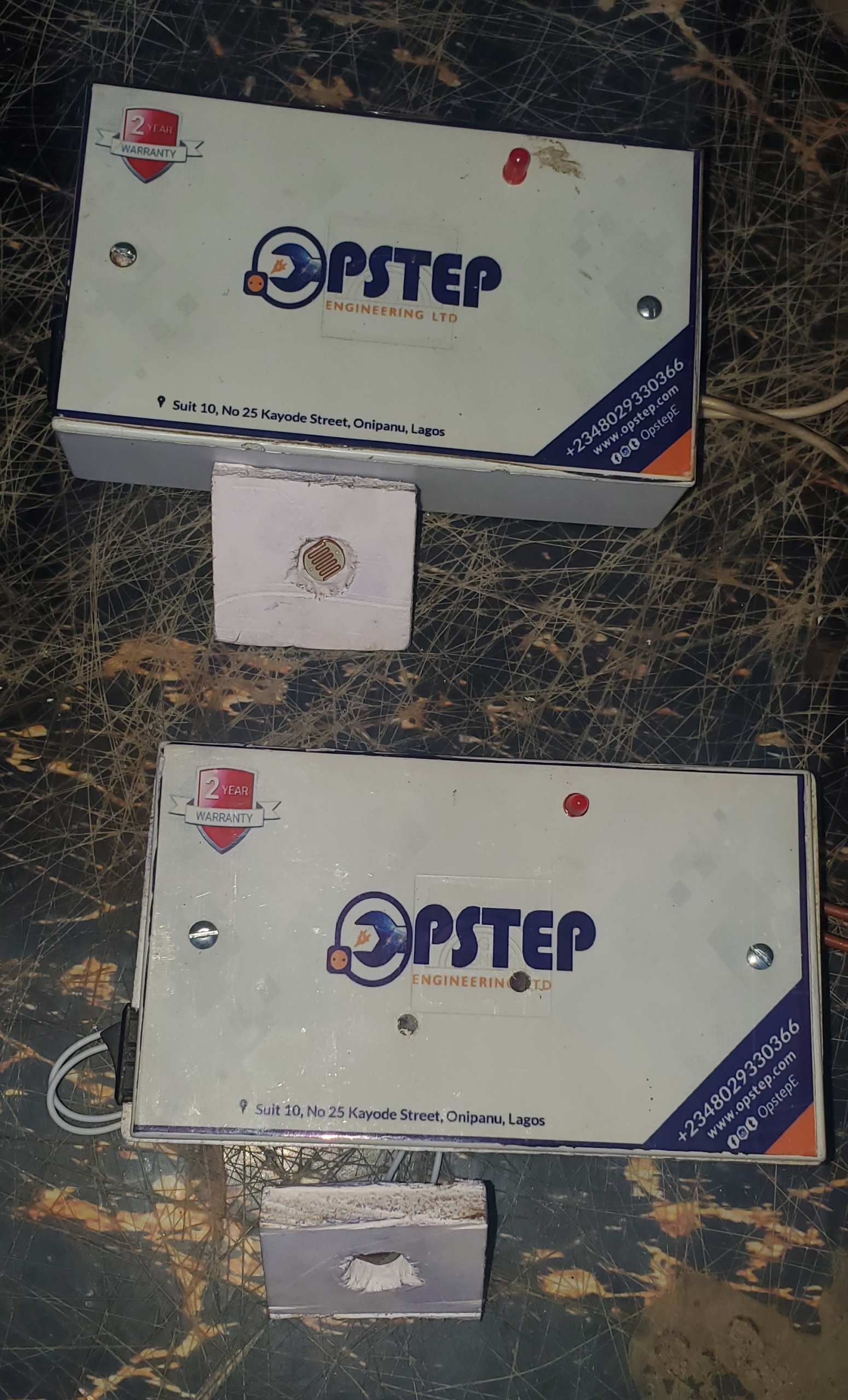
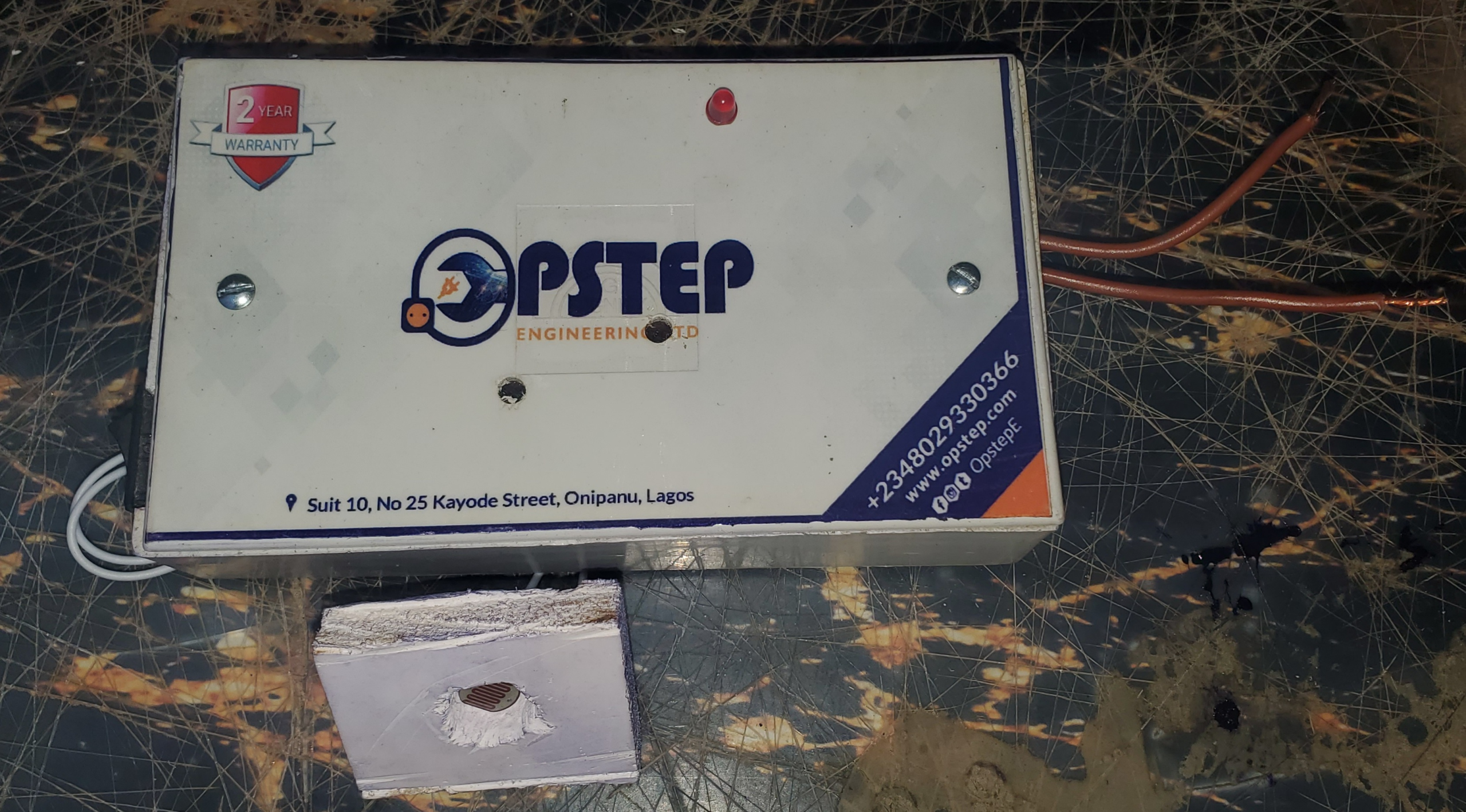
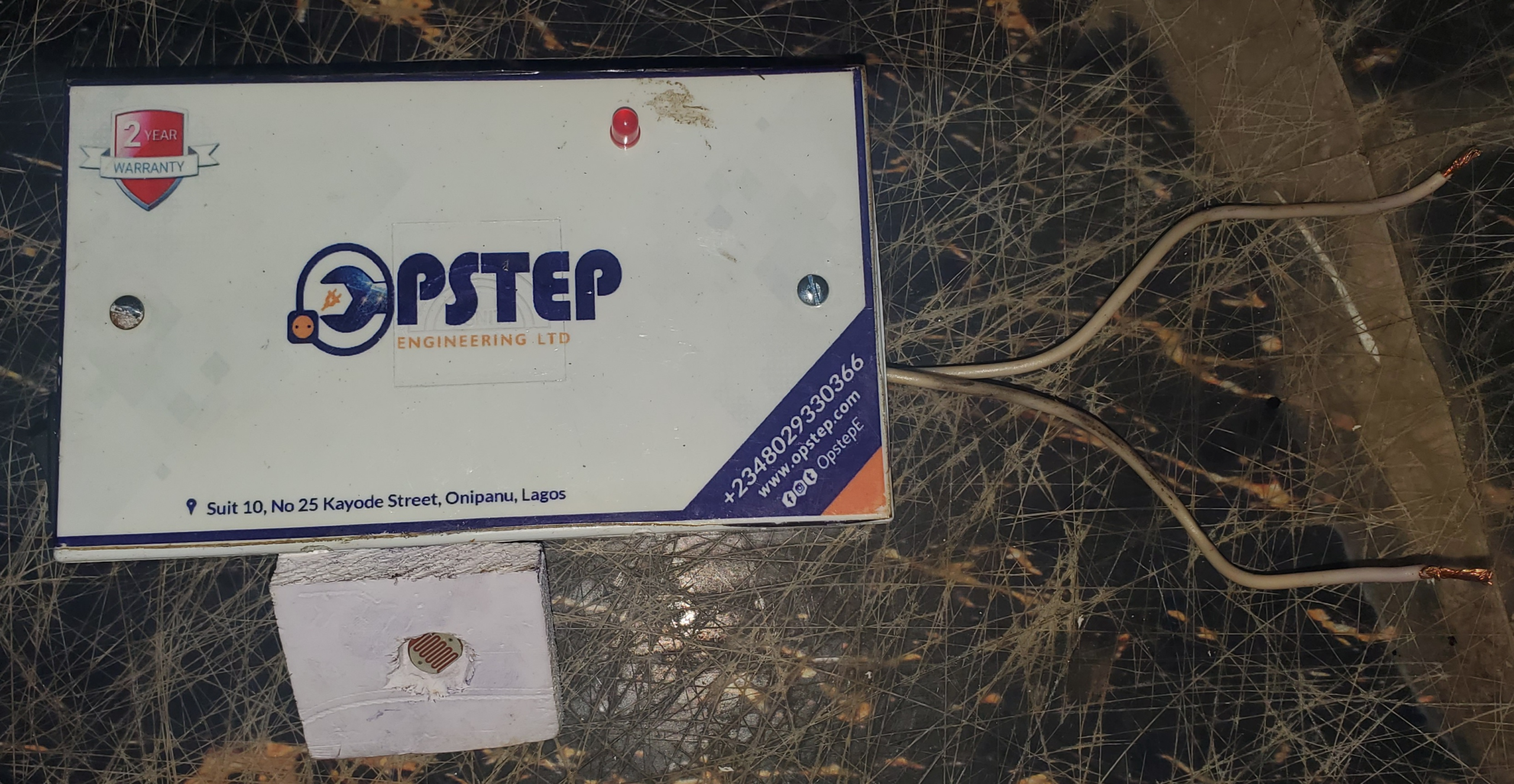
Design evidence Proteus schematic and supplied project photographs
Load-rating note: A 10 A relay rating does not mean that any arbitrary number of bulbs can safely be connected. The permissible load depends on the relay's rating for the actual load type, the bulbs' combined wattage and inrush current, and the wiring and protection used.
Opstep Engineering Role
Analog light sensing, threshold comparison and relay-based AC load control.
The project demonstrates how a simple electronic sensing circuit can automate a practical lighting task using an LDR, an LM358N comparison stage and a relay driver.
Product Gallery