Project Overview
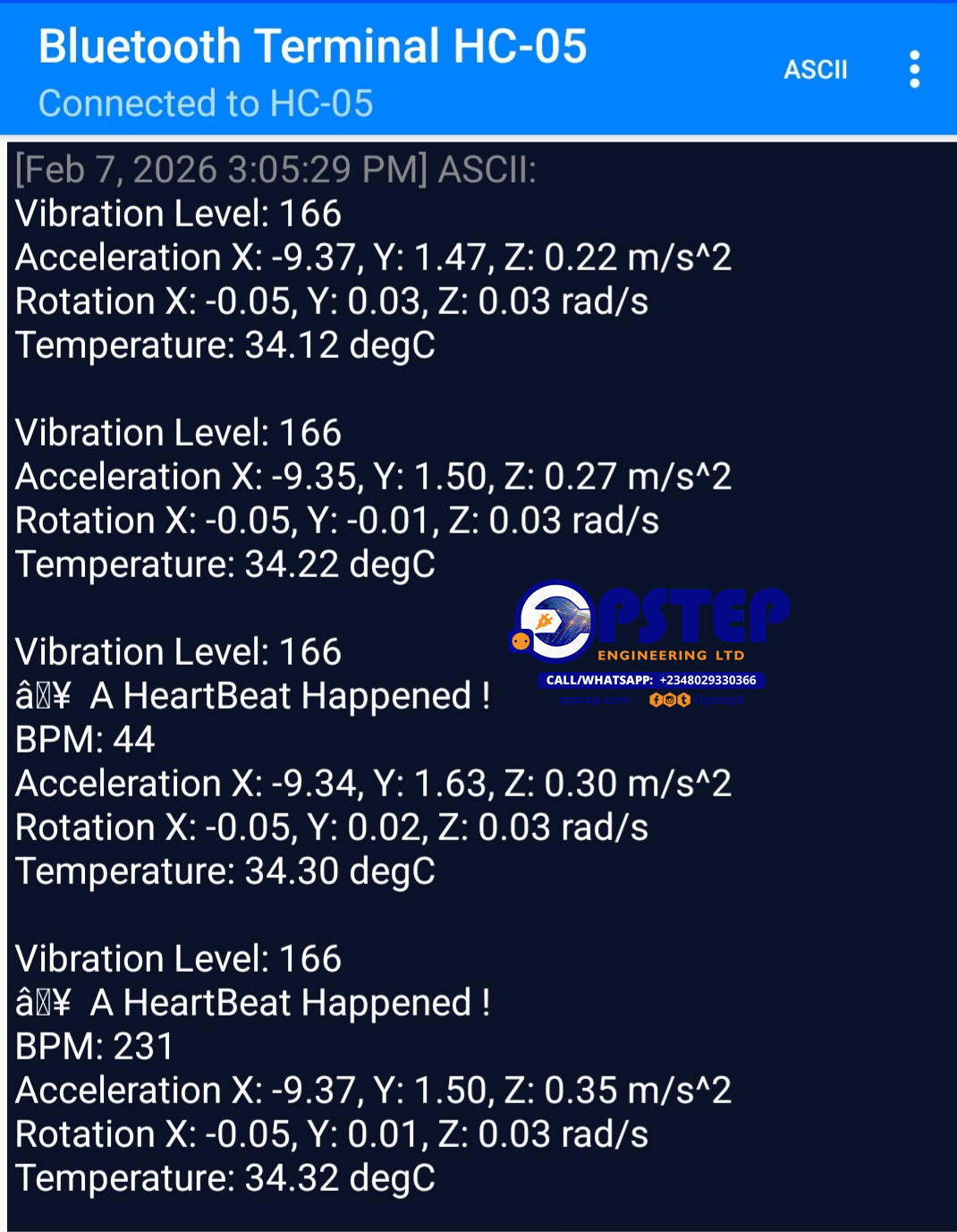
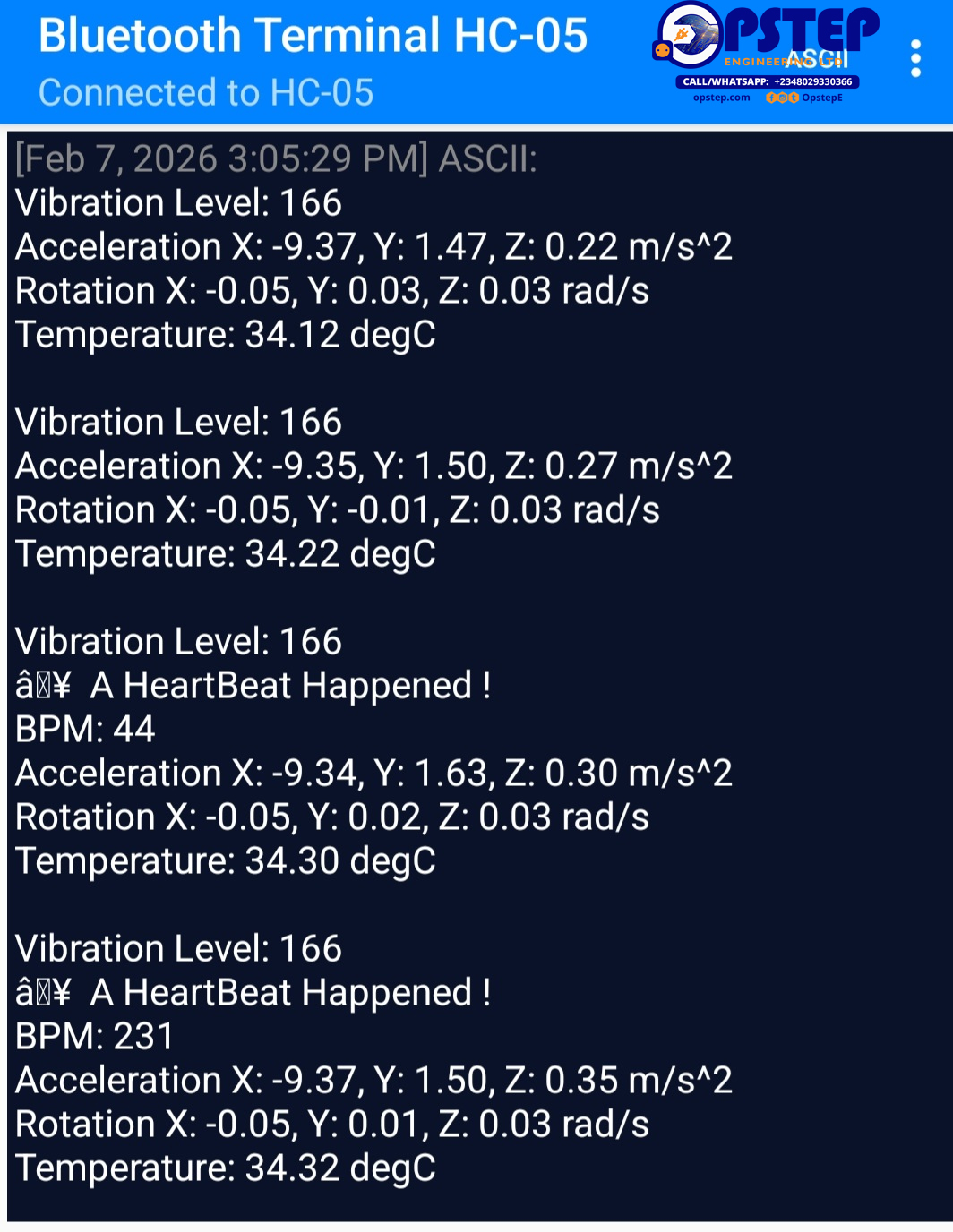
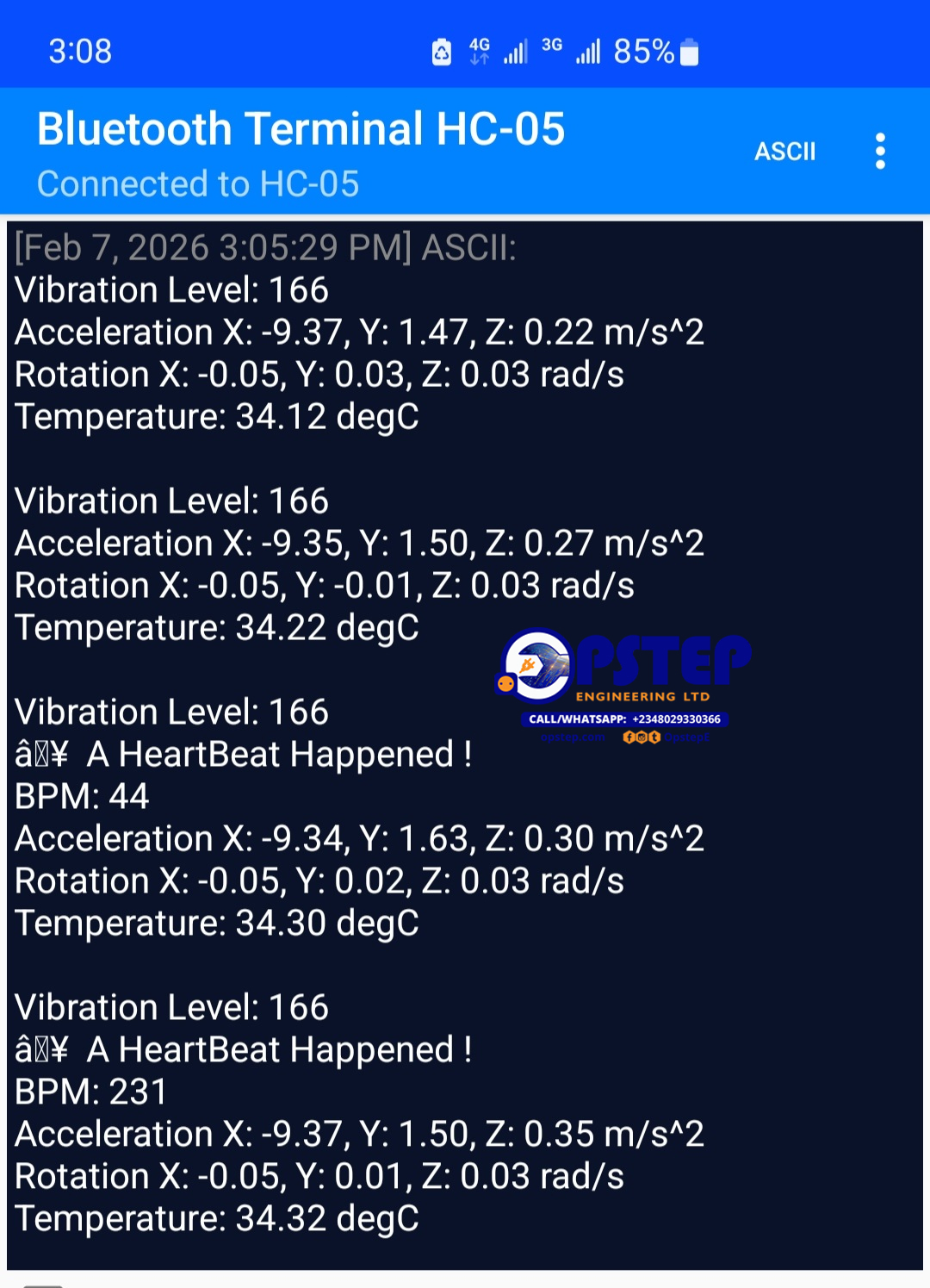
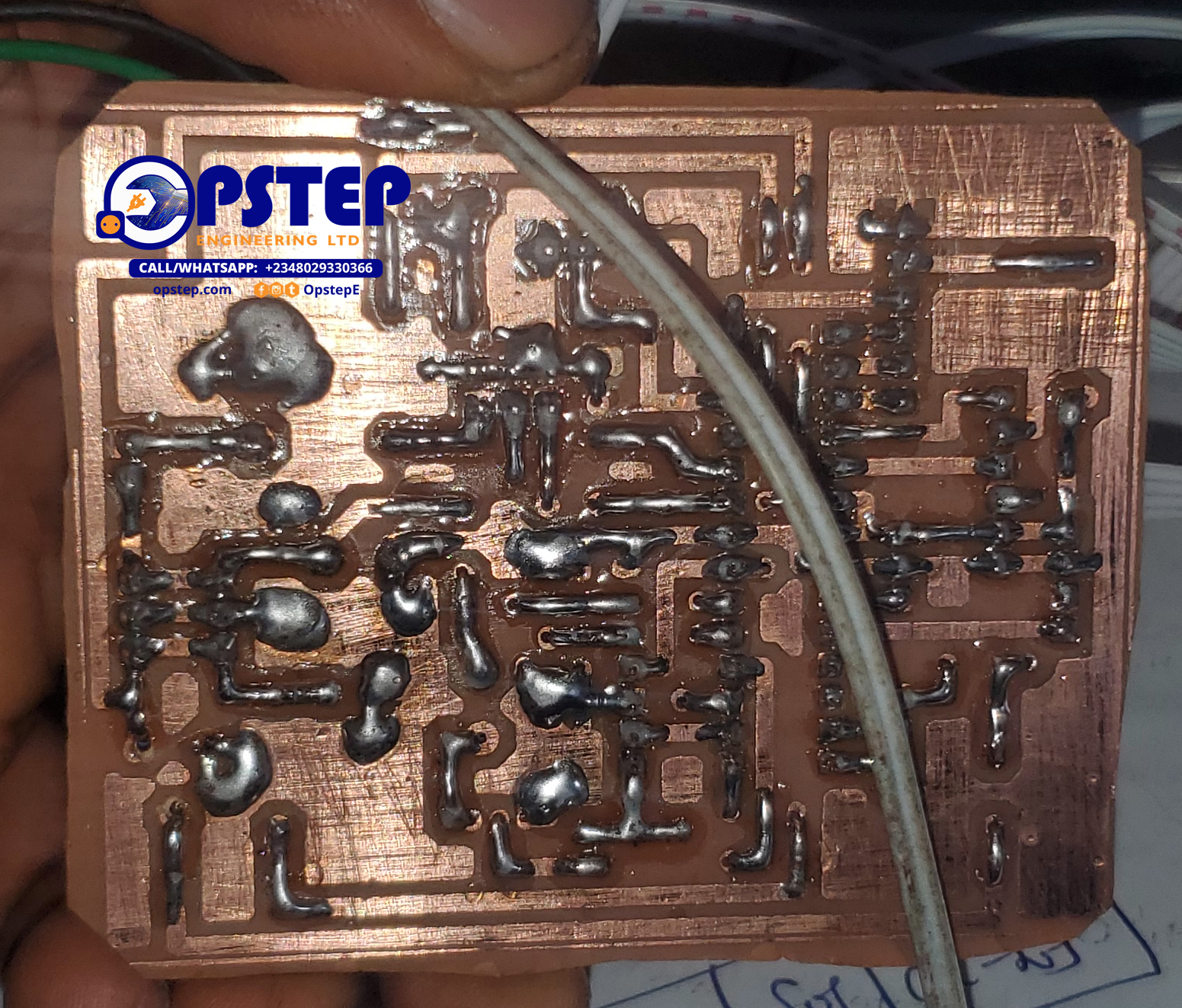
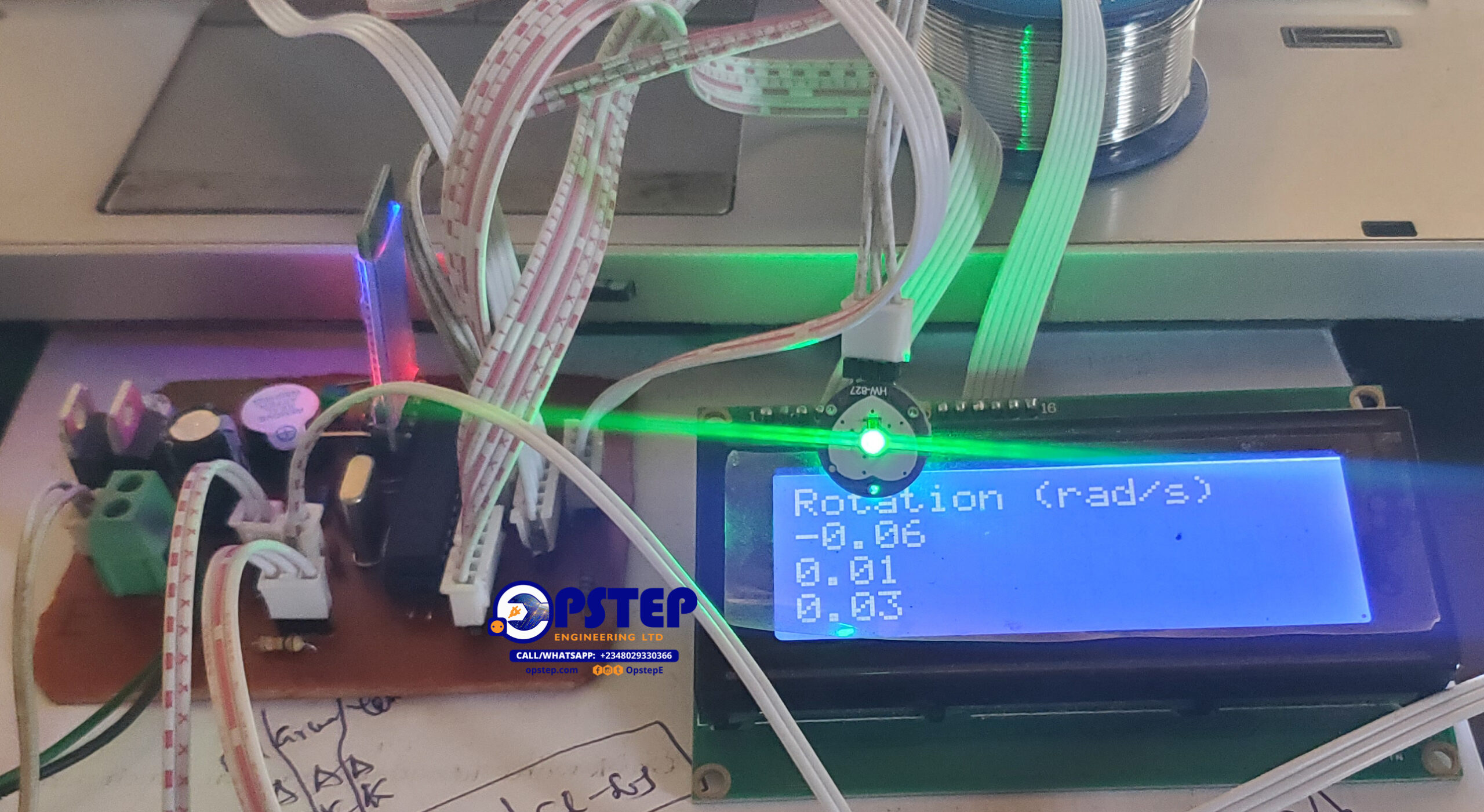
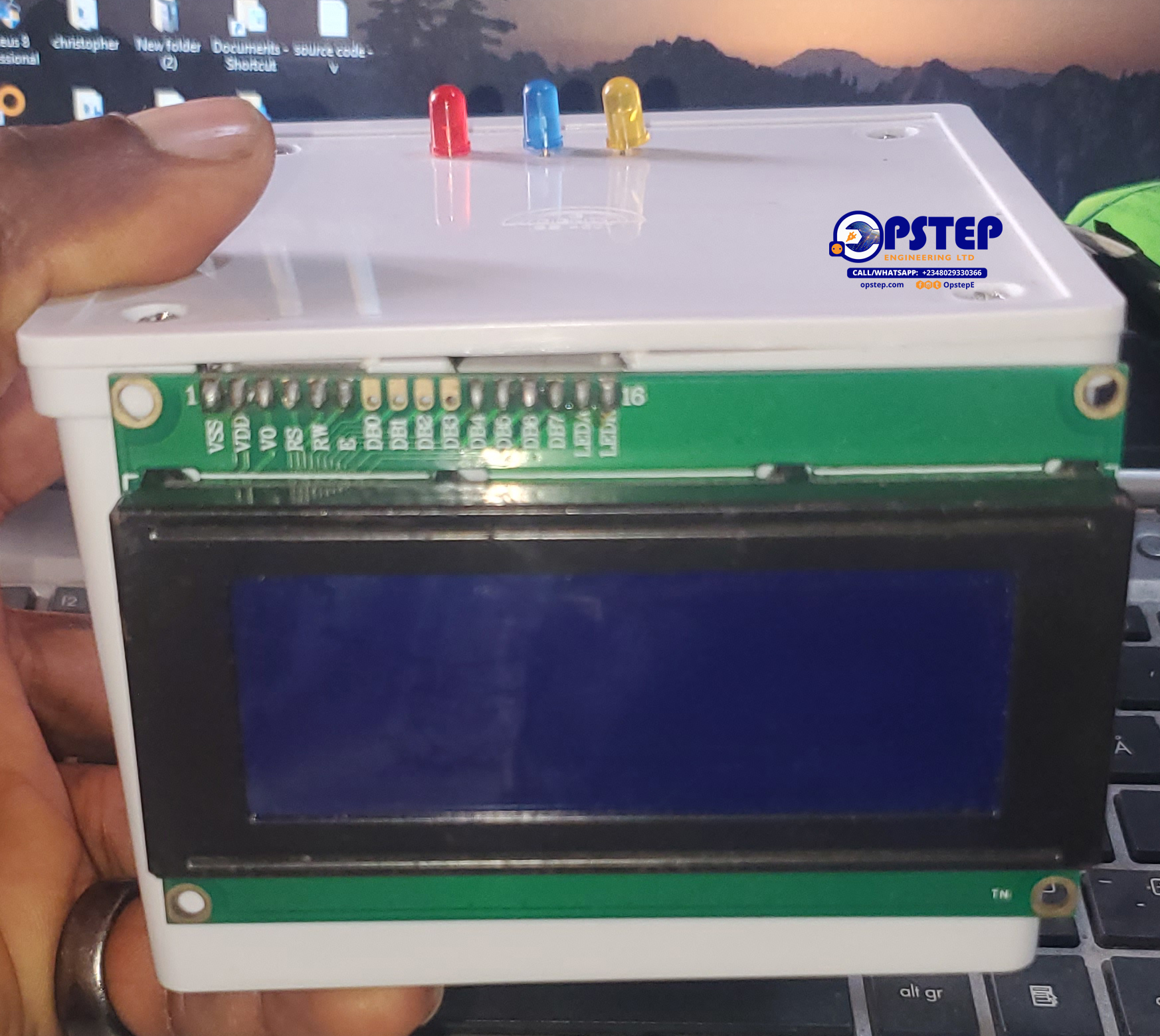
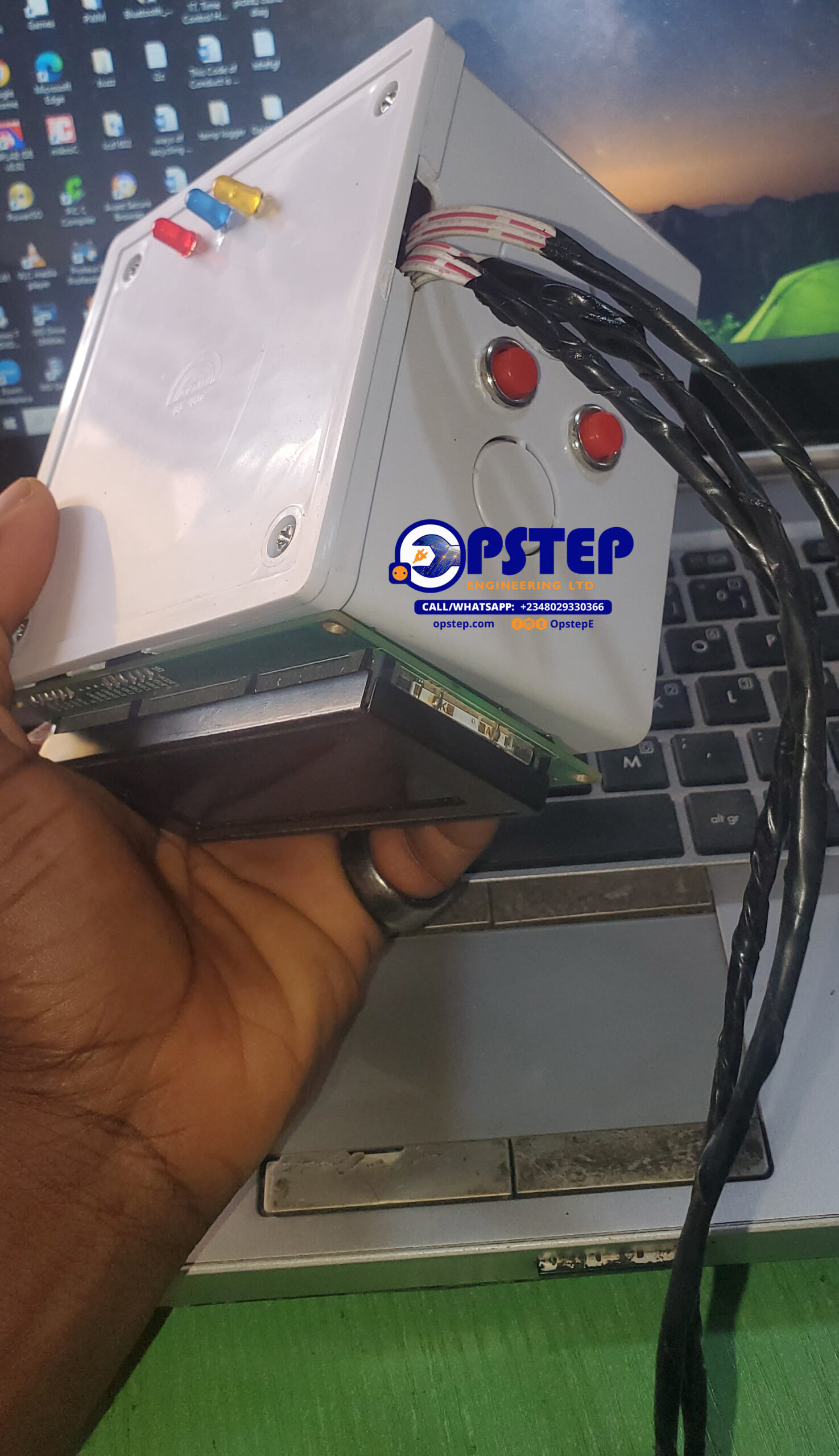
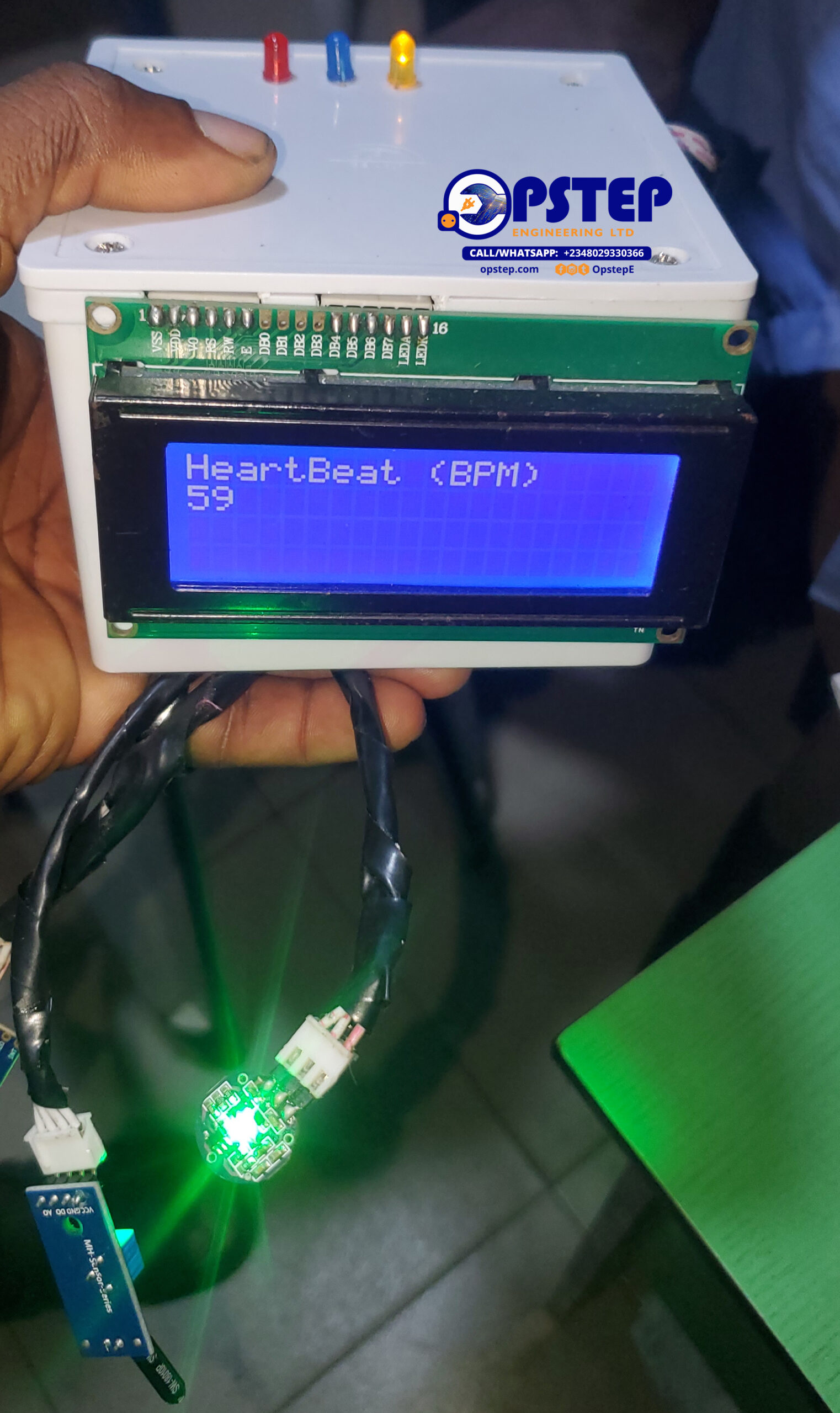
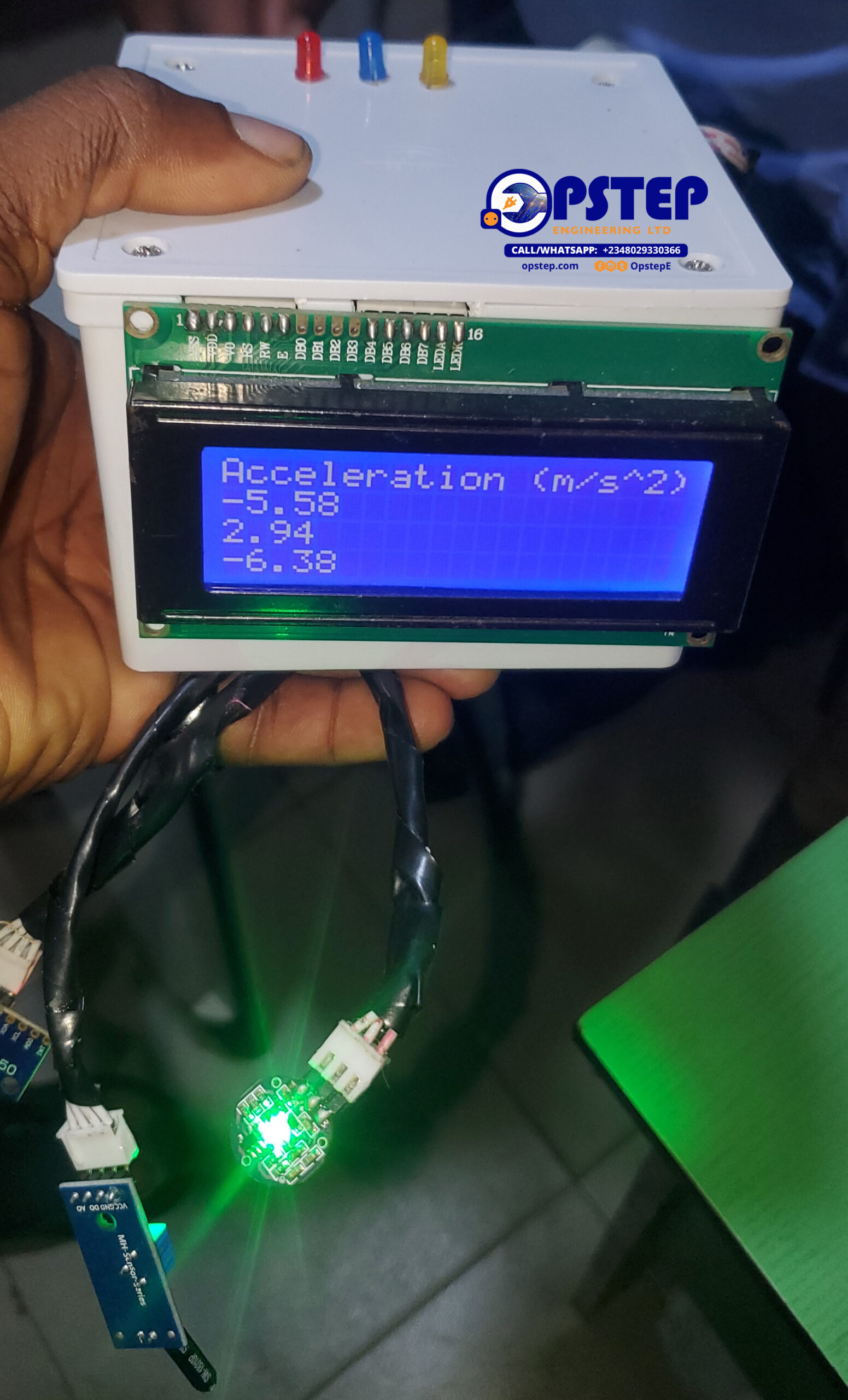
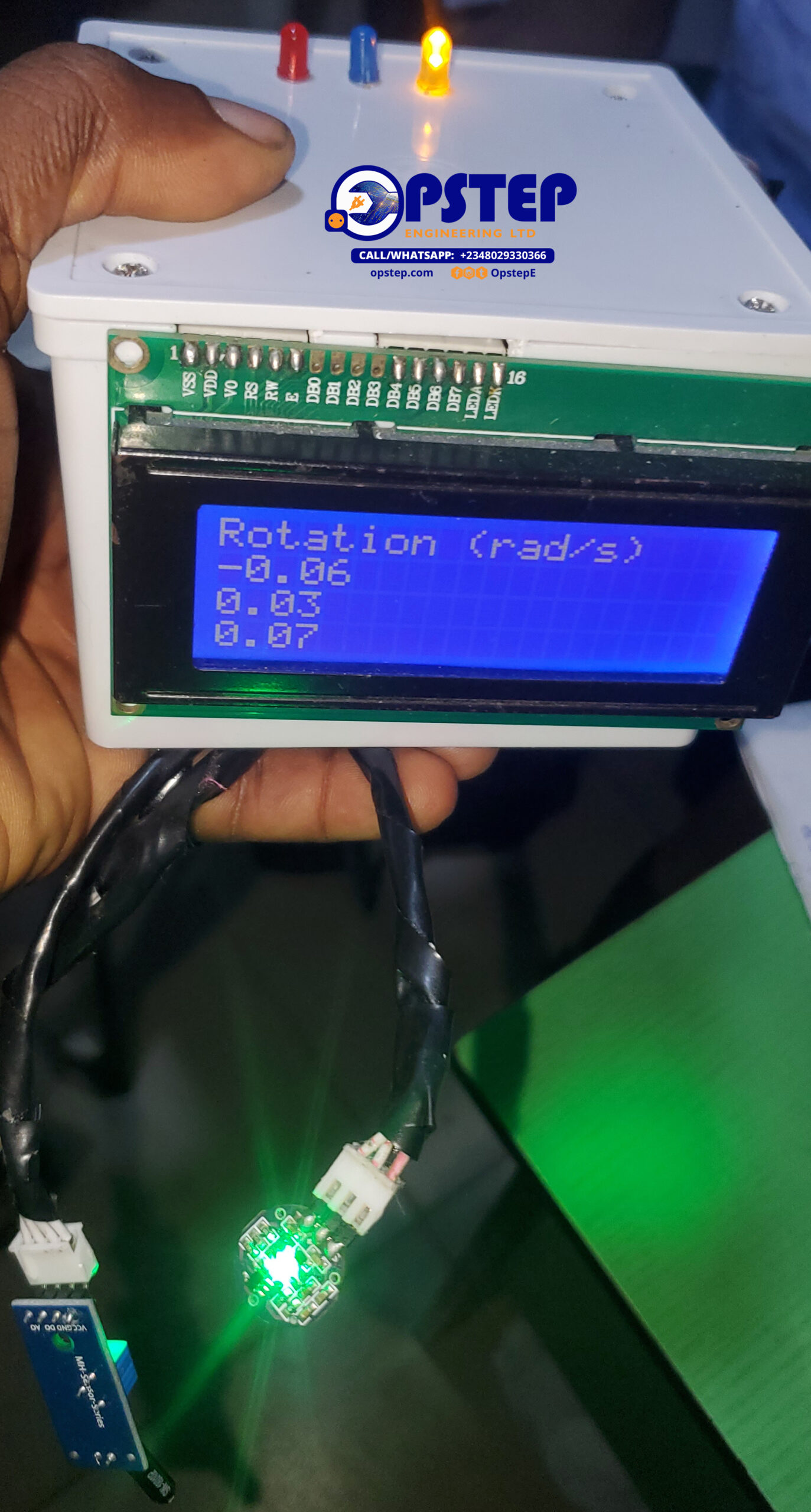
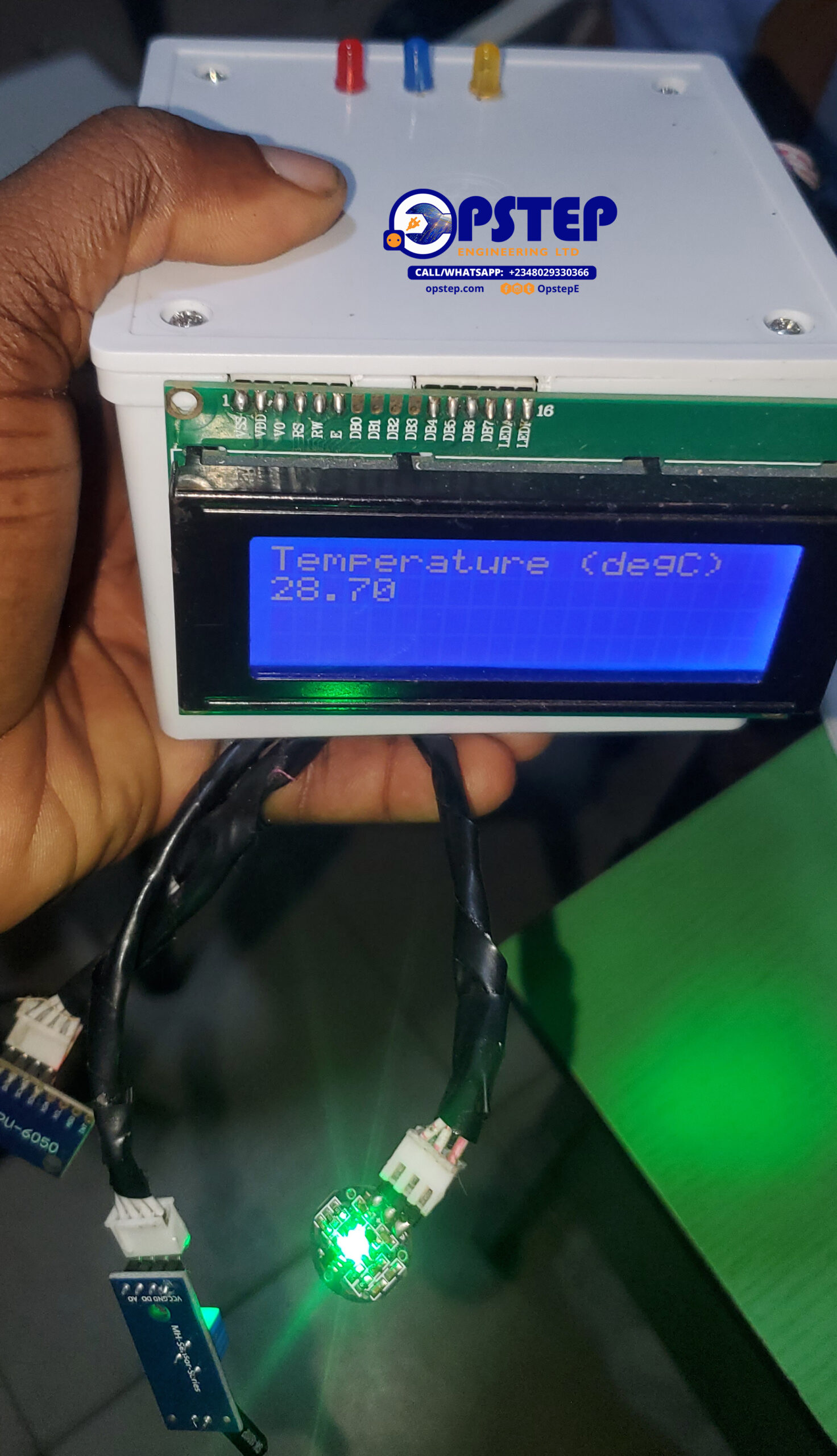
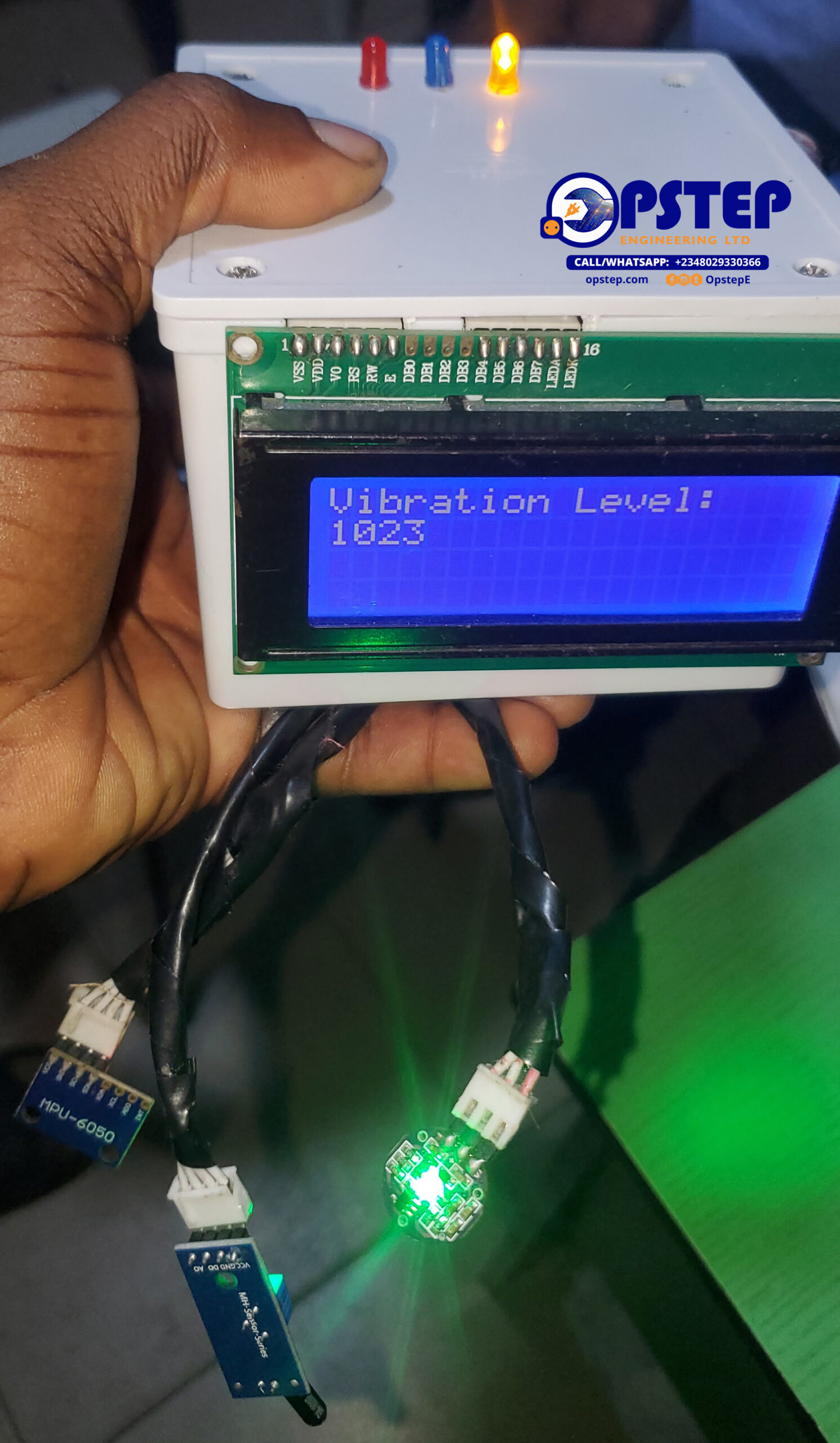
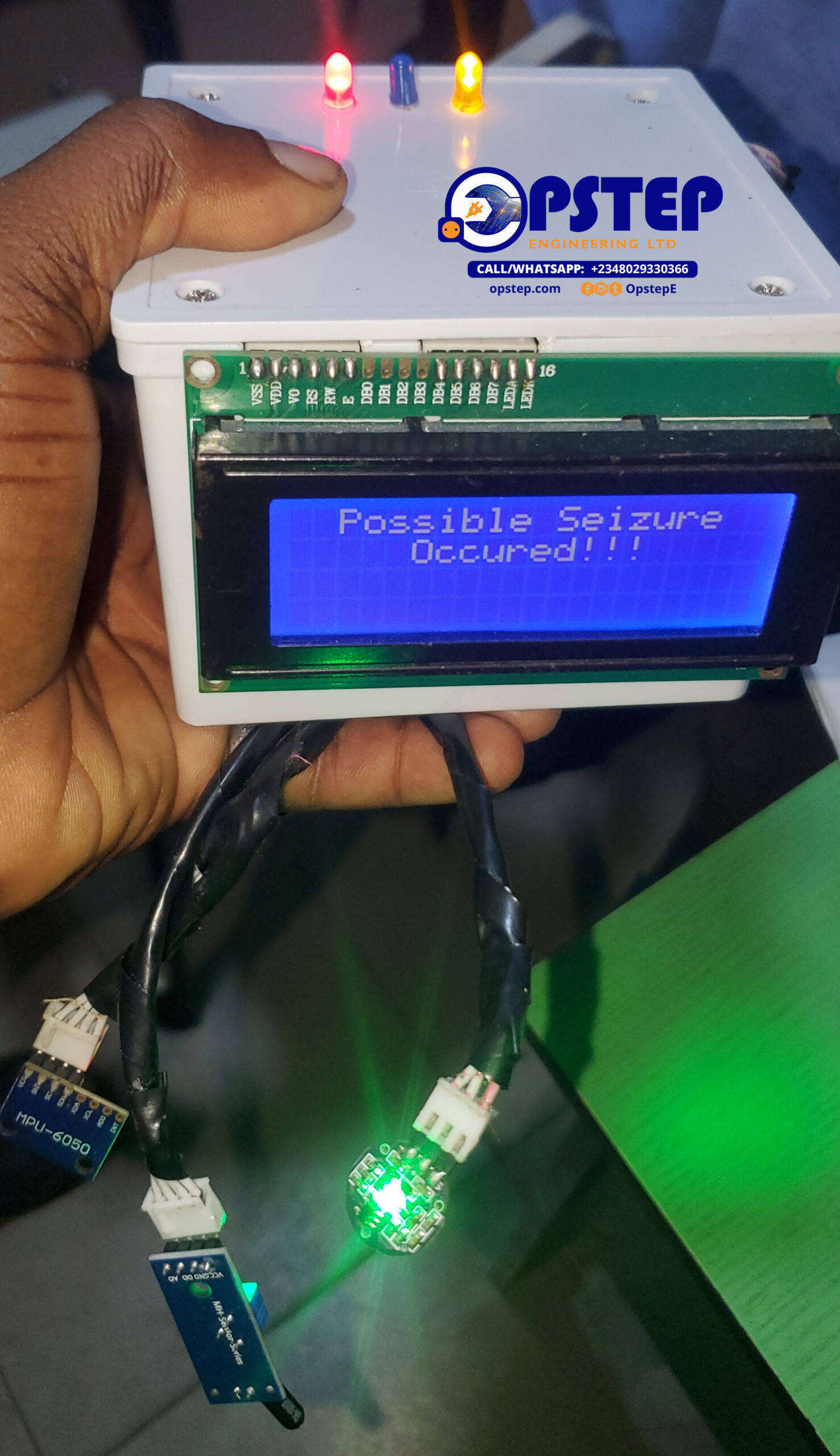
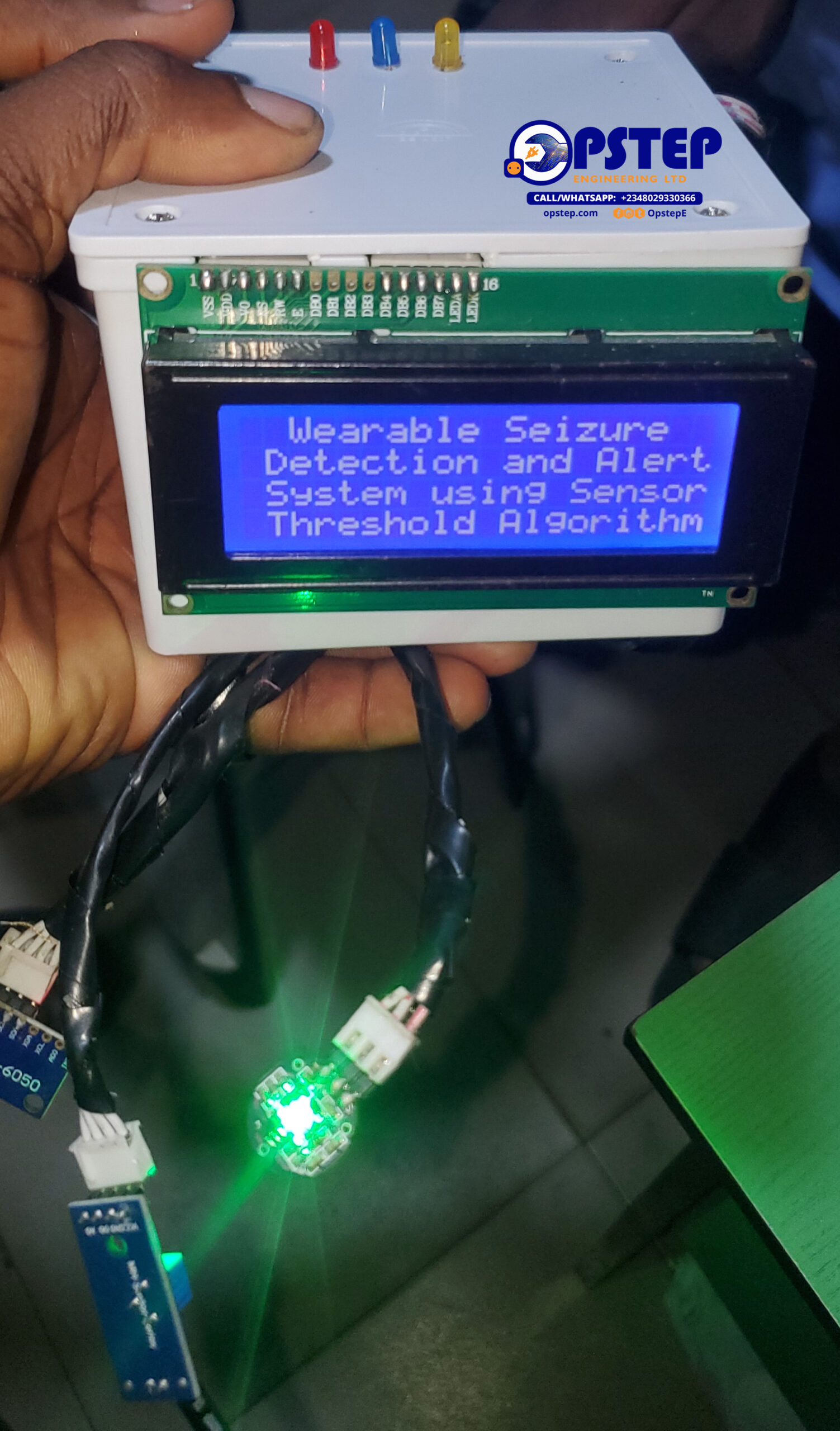
This project is a wearable seizure detection and alert prototype designed to monitor multiple physical and physiological parameters associated with a subject's activity. The system uses a custom PCB built around an ATmega328P-U microcontroller rather than an Arduino development board. A pulse sensor monitors heart activity, an MPU6050 measures acceleration and rotational motion, and an SW-420 vibration sensor monitors vibration/activity levels. The microcontroller processes these measurements using predefined threshold conditions to classify the monitored state as normal or as a possible seizure event. The system provides local feedback through a 20×4 LCD, red and green status LEDs and an audible buzzer. An SOS input also allows a manual emergency condition to be triggered. In addition, an HC-05 Bluetooth module provides a serial wireless link to an Android phone, allowing measured parameters such as BPM, acceleration, rotation, temperature and vibration level to be viewed through a Bluetooth terminal application.How the System Works
- Sensor Acquisition — The ATmega328P-U continuously acquires heart-rate, acceleration, rotational-motion and vibration data from the connected sensors.
- Heart-Rate Monitoring — The pulse sensor is processed to determine the subject's current BPM and identify heartbeat events.
- Motion Analysis — The MPU6050 provides three-axis acceleration and rotational-motion measurements together with temperature information.
- Vibration Monitoring — The SW-420 provides a vibration/activity measurement that is incorporated into the monitoring algorithm.
- Threshold Evaluation — The microcontroller evaluates the measured parameters against predefined threshold conditions to identify a possible abnormal event.
- Seizure Condition Decision — When the programmed conditions indicate a possible seizure state, the controller activates the alarm response and updates the user interface.
- Local Alert — The buzzer and red LED provide an immediate local warning while the LCD displays the detected status.
- Bluetooth Telemetry — The measured sensor parameters are transmitted through the HC-05 Bluetooth interface to a paired Android phone for remote observation through a serial terminal application.
- Normal-State Indication — When the programmed abnormal conditions are not detected, the system maintains the normal indication using the LCD and green LED.
- Manual SOS Control — A dedicated SOS input allows the user or attendant to trigger the emergency alert condition manually.
System Architecture
◆Pulse SensorHeart-rate and BPM measurement
→
◆MPU60503-axis acceleration, rotational motion and temperature sensing
→
◆SW-420 Vibration SensorVibration and activity monitoring
→
◆SOS InputManual emergency trigger
→
◆ATmega328P-USensor acquisition, data processing and seizure-condition evaluation
→
◆Threshold Decision AlgorithmMulti-parameter abnormal-condition classification
→
◆20×4 LCDLocal sensor and system-status display
→
◆Red / Green LEDsVisual alarm and normal-state indication
→
◆BuzzerAudible emergency alert
→
◆HC-05 BluetoothWireless serial telemetry to Android device
→
◆Android PhoneRemote display of measured sensor data through Bluetooth terminal
Project Gallery
Actual project photographs and technical images.